


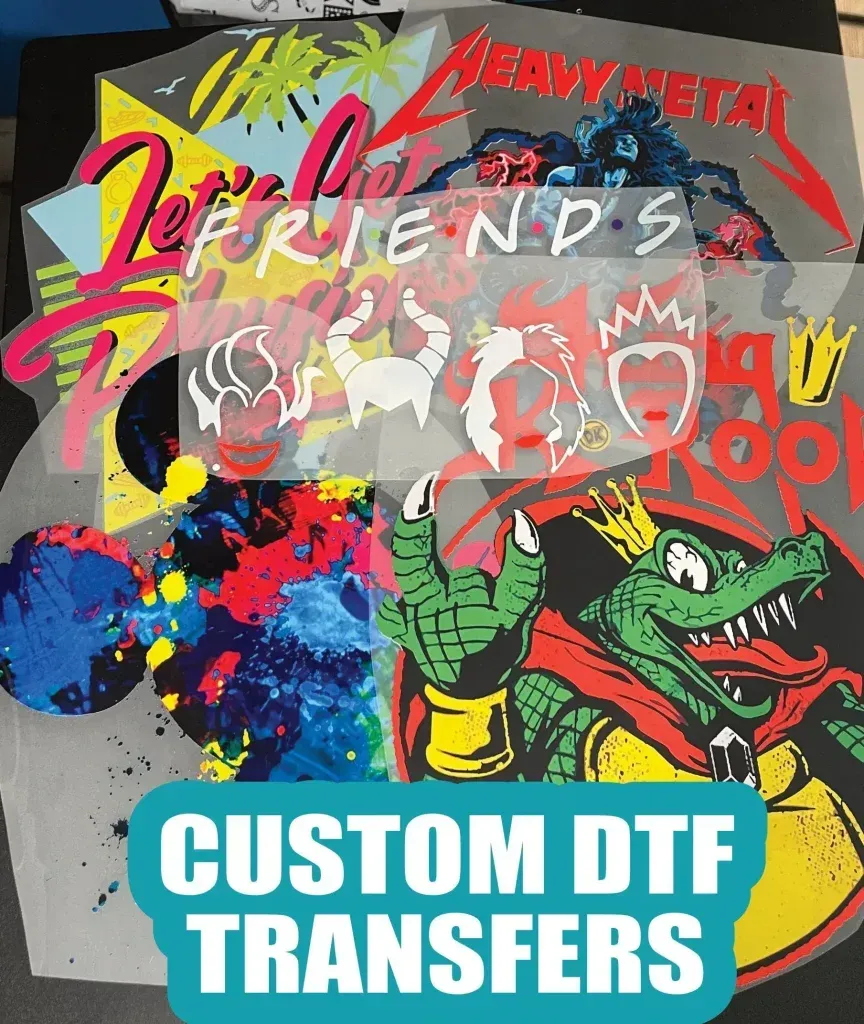
DTF transfers tutorial is your friendly guide to turning vibrant, durable designs into wearable art from the comfort of your home. From DIY tees to tote bags, many creators search for how to use DTF transfers, learn about DTF printing at home, and follow clear DTF transfer steps to get pro-looking results. This guide walks you through a clear, step-by-step process, including preparing the garment, applying heat and pressure, and finishing with proper care, reflecting the DTF heat press guide you’ll follow for consistent results. Whether you choose ready-made transfers or print your own, the core principles—prepress, adhesion, and post-press care—stay the same. By the end, you’ll feel confident applying vibrant designs to fabrics and keeping them durable through washing.”},{
DTF transfers tutorial: getting started with vibrant, durable designs
This DTF transfers tutorial introduces direct-to-film transfers as a practical method for DIY fabric projects. You’ll discover how DTF transfers combine a heat-activated adhesive with a PET film to deliver vibrant, durable graphics on cotton and poly blends. Whether you’re curious about how to use DTF transfers or simply exploring DTF printing at home, this guide sets the stage for a straightforward, home-friendly workflow.
From choosing between ready-made transfers and printing your own at home to mastering the heat and pressure basics, the core workflow remains the same: prepare the garment, apply heat and pressure, and finish with proper care. By following this DTF transfers tutorial, beginners gain confidence and achieve professional-looking results in a compact, organized workspace.
DTF Transfers for Beginners: Ready-made vs Printing at Home
For beginners, the choice between ready-made DTF transfers and DIY printing is a big first decision. Ready-made transfers minimize variables and speed up results, making DTF transfers for beginners practical for those who want reliable outcomes without starting a full printing setup.
If you opt to print at home, you’ll need a DTF printer, white ink considerations, curing times, and precise transfer temperature and dwell time. This section outlines the practical steps for both pathways, including how to use DTF transfers effectively and what to expect from DTF printing at home.
Optimizing Your Setup: Tools, Temperature, and the DTF Heat Press Guide
To optimize results, start with a clean workspace, protective sheets, and accurate temperature control. A commonly recommended baseline is 305–320°F (150–160°C) with 10–20 seconds of dwell time, tested on a scrap fabric first. This section frames a practical DTF heat press guide that fits home setups and small studios.
Calibrate pressure using a ruler or guide, ensure the garment is flat and free of lint, and perform a test press before applying to your final item. Following a consistent routine reduces variability and aligns with a hands-on DTF heat press guide suitable for both beginners and experienced crafters.
Mastering the Application: Step-by-Step DTF Transfer Steps for Consistent Results
Step-by-step DTF transfer steps begin with preheating and prepress, then moving to precise positioning and controlled heat application. This sequence emphasizes consistent dwell times and even pressure to ensure the design bonds cleanly and remains soft to the touch.
Common mistakes include lifting the heat press too early, wrinkles, or uneven pressure. The troubleshooting tips in this section help you maintain consistent results across projects and avoid stiffness or color shifts in the finished product.
Care and Longevity: Caring for DTF Prints After Printing at Home
Care after printing at home is essential to preserve color and durability. Turn garments inside out before washing, choose cold or warm cycles, and avoid high-heat drying to extend the life of DTF designs.
Long-term maintenance also means keeping your workspace organized, following the transfer guidelines for each batch, and cleaning your heat press regularly. With proper care, DTF printing at home projects stay vibrant through many washes.
Frequently Asked Questions
What is covered in a DTF transfers tutorial and how can beginners benefit?
A DTF transfers tutorial outlines the core workflow for applying Direct-to-Film designs at home, from choosing between ready-made transfers and printing your own, to a step-by-step application and care routine. It explains the tools, setup, alignment, heat and pressure, and troubleshooting tips to help DIY crafters achieve durable, vibrant results. By following this tutorial, beginners gain a clear, repeatable process for successful projects on tees, totes, pillows, and more.
How to use DTF transfers for home projects, and what does the DTF transfers tutorial cover?
In this context, how to use DTF transfers means preparing your garment, aligning the design, applying heat and pressure, and finishing with proper care. The tutorial also covers preheating, protective sheets, peel methods, and post-press care to maintain color and softness. Whether you’re using ready-made transfers or printing at home, you’ll learn a reliable workflow suitable for beginners and DIY enthusiasts.
What are the DTF transfer steps and how should I follow them for best results?
Key DTF transfer steps include preheating the garment, prepping the fabric surface, positioning the transfer, applying heat and pressure, peeling to reveal the design, cooling and finishing, and caring for the garment. Following each step with the recommended temperature, time, and pressure helps ensure strong adhesion and a soft hand. If your transfer requires multiple passes or a second press, follow those instructions precisely.
What is included in a DTF heat press guide for beginners?
A DTF heat press guide for beginners typically provides baseline settings and troubleshooting tips: temperature around 305–320°F (150–160°C), time 10–20 seconds, and medium to firm pressure. It also covers peel method (hot or cold), test pressing on scrap fabric, fabric compatibility, and how to adjust parameters for different transfer brands. Using these guidelines helps you achieve crisp images with a comfortable hand.
DTF transfers for beginners: what should I know about DTF printing at home and getting started?
For beginners, start with clear instructions from your transfer supplier, practice on scrap garments, and keep the surface flat and lint-free. Learn proper alignment, set the heat press at an appropriate temperature, and follow the recommended dwell time. If you’re printing at home, invest in reliable ink, standard curing times, and a controlled workspace to build confidence before applying to final projects.
| Aspect | Key Points |
|---|---|
| Overview | DTF transfers are a modern method for transferring detailed designs onto fabric with durability and vibrant color; suitable for DIY and home studios. |
| What you’ll need | – Clean workspace and heat source (heat press or iron) – Garment (cotton or cotton/poly blend) – Protective sheets (silicone/Teflon, parchment) – DTF transfers (ready-made or printed at home) – Ruler/guides, lint roller, optional thermometer |
| Option A: Ready-made transfers | Transfer design is pre-printed on a film with a backing. Prepress garment, align transfer, apply heat/pressure, then peel per instructions. Beginner-friendly and reduces variables. |
| Option B: Printing at home | Design and print transfers with a DTF printer. Offers maximum control but requires attention to print orientation, white ink layering, curing, and precise temperature/dwell settings. |
| Step-by-step guide (home DIY) – Step 1 | Preheat the heat press to 305–320°F (150–160°C); preheat garment 3–5 seconds and test with scrap fabric. |
| Step 2 | Prepare the garment: lay flat, smooth wrinkles, white layer or pressing cloth on dark fabrics, and remove lint. |
| Step 3 | Position the transfer with design facing up; center and align using a ruler; tape edges to prevent shifting. |
| Step 4 | Cover with protective sheet; apply heat/pressure for 10–20 seconds; avoid lifting during dwell; follow any multi-pass instructions. |
| Step 5 | Peel guidance: hot peel or cold peel per transfer; re-cover and press if needed; some designs require a second press. |
| Step 6 | Cool completely; optional light finishing press with a cloth for a softer hand. |
| Step 7: Care and wear | Turn garment inside out for washing; use cold/warm water; low heat dryer or air-dry; use gentle detergent to maximize durability. |
| Tips for best results | Follow each transfer’s specific temps, pressure, and dwell time; use white underlayer on dark fabrics; work on a clean surface; test on scrap; re-press if needed. |
| Troubleshooting | Ghosting: adjust pressure/temperature; peeling corners: ensure even pressure; stiffness: adjust dwell/hand-feel; poor transfer on dark fabrics: verify white underlayer or backing. |
| DTF heat press settings | Baseline: Temperature 305–320°F (150–160°C); Time 10–20 seconds; Pressure: medium to firm; Peel method per transfer (hot or cold). |
| Care and maintenance | Follow transfer guidelines for washing and care to maintain color, durability, and soft hand over many washes. |
Summary
Conclusion