


Turkish hammam etiquette shapes every moment in the steam rooms, cleansing alcoves, and marble benches with a measured rhythm of courtesy and calm, setting expectations for comfort, consent, and patience. A mindful approach starts with understanding the hammam etiquette dress code, which typically involves a pestemal or modest wrap that respects shared spaces, reduces heat exposure, and signals readiness to participate. Towel rules are equally practical and cultural in character; Turkish bath towel rules emphasize keeping towels dry on benches, avoiding draped coverage that blocks others, and using a second towel to wrap around the body during cleansing or massage. If you’re unsure how to behave in a hammam, rely on Turkish bath etiquette tips such as speaking softly, asking clarifying questions, honoring staff guidance, and moving slowly through each station to maintain a tranquil atmosphere. Ultimately, Turkish bath culture centers on hospitality and respect, inviting you to savor the ritual while maintaining modesty, personal space, and a calm pace that honors centuries of tradition.
Viewed through the Turkish bath tradition, the hammam is a social wellness space where heat, water, and quiet conversation mingle in a shared sense of calm. In Ottoman bathhouse culture, etiquette grows from respect for others, gentle touch, and clear communication between guests and attendants. These hammam manners translate into practical steps that guide preparation, participation, and post-visit reflection, referencing timeless concepts such as cleanliness, consent, and personal space. Approaching the experience with curiosity helps travelers appreciate the historical context while still meeting contemporary expectations.
1. Turkish hammam etiquette: From Arrival to Respectful Departure
Visiting a Turkish hammam is more than a routine bath; it’s a ceremonial space where arrival, presence, and departure are as meaningful as the cleansing rituals themselves. Embracing Turkish hammam etiquette means approaching the experience with modesty, consent, and courtesy, recognizing that every gesture—greeting staff, following station order, and stepping back when asked—supports the comfort of everyone in the room.
As you enter, observe the atmosphere and listen for guidance from attendants. Asking thoughtful questions is encouraged, since many traditions are explained on-site. Keeping a calm pace and a soft-spoken demeanor helps preserve the tranquil rhythm that defines Turkish bath culture, ensuring that newcomers and regulars alike feel welcome and respected.
2. Dressing for Modesty: Hammam Dress Code and Turkish Bath Towel Rules
Dressing appropriately is the first practical expression of etiquette in a hammam. The hammam etiquette dress code commonly involves a pestemal, a lightweight cotton towel, or a modest wrap. Many baths provide a pestemal at the entrance, while others expect you to bring one. The key is to remain comfortably covered in public areas and during steam and washing stages.
Towel rules, or Turkish bath towel rules, are equally important for maintaining modesty and cleanliness. Use towels to cover the hips and torso as needed, avoid draping towels over the head in ways that obscure others, and place towels on benches to signal transitions between stations. Respect shared spaces by folding and returning towels to designated areas when you move on.
3. The Washing Ritual: Kese, Cleansing, and How to Behave in a Hammam
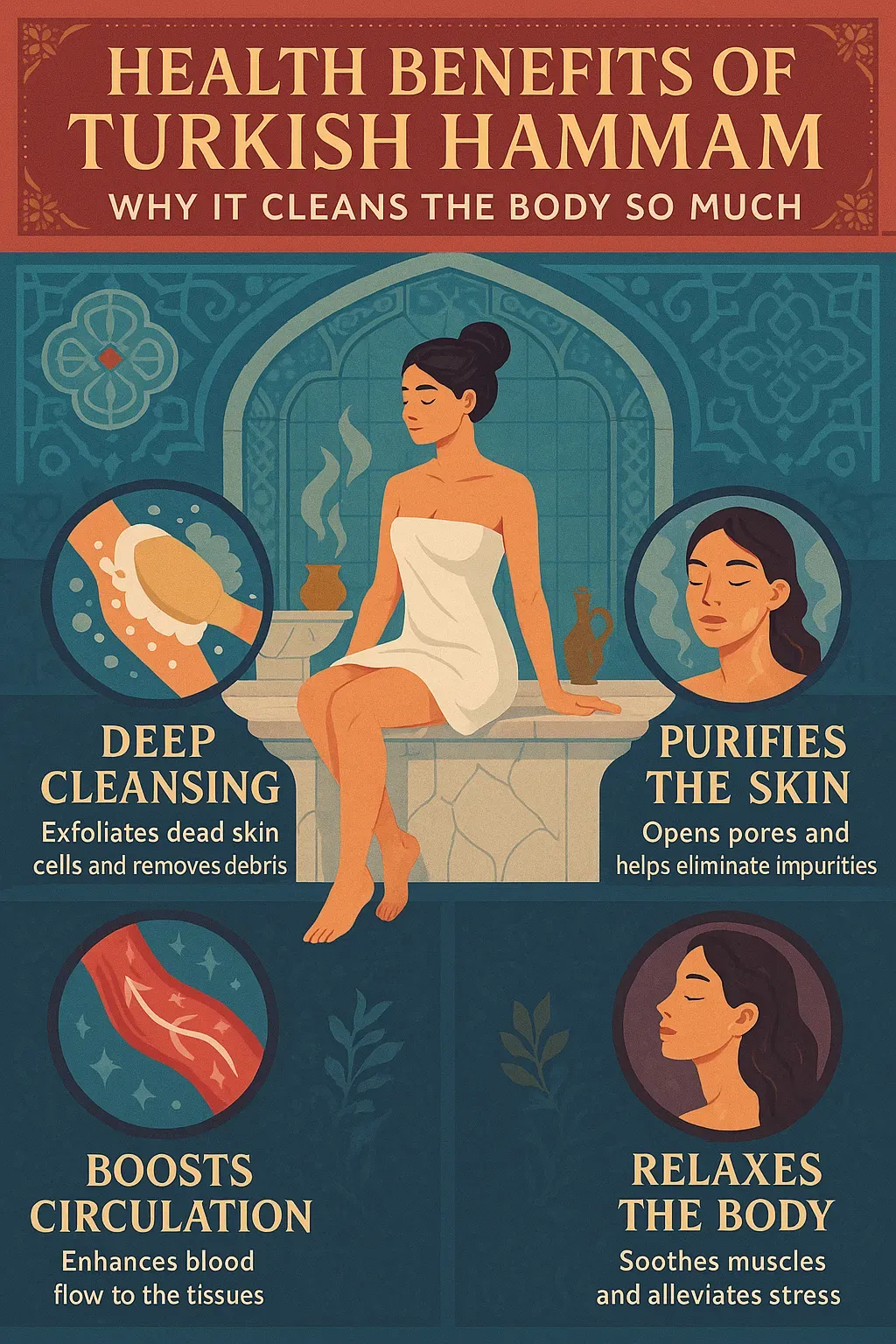
The cleansing sequence typically begins with a warm space where pores open from the steam, followed by washing and the kese—an exfoliating glove used by attendants or offered as a self-service option. If you opt for a kese, communicate your sensitivity to pressure and pace so the exfoliation remains comfortable and respectful of body autonomy.
After exfoliation, a gentle rinse prepares you for possible massages or additional cleansing steps. The choreography requires calm breathing, quiet participation, and patience. When in doubt, describe your comfort level and allow the attendant to guide the process, which aligns with the Turkish bath etiquette tips emphasizing consent, modesty, and mindful pace.
4. Quiet Courtesy in Shared Spaces: Behavior and Communication in the Hammam
Behavior in a hammam is shaped by a shared spirit of quiet respect. Speak softly, move deliberately, and avoid activities that disturb others who are resting or receiving services. Photography is typically discouraged outside designated areas, so ask for permission before capturing any images.
Personal space should be respected at all times, and unsolicited advice about skincare or treatments is best avoided. Tipping attendants for services like kese or massage is courteous, though practices vary by location. If you’re unsure about local norms, discreetly ask staff at the start of your visit to ensure your behavior and tips align with the venue’s etiquette.
5. Practical Traveler Tips: Navigating Turkish Bath Culture with Confidence
Arriving early to allow time for changing and orientation helps set a relaxed tone for your visit. Bring a pestemal and a spare small towel or washcloth if possible, and check whether one is provided or available for rent. Hydration is essential because steam rooms can dehydrate you quickly, so drink water before and after your session.
When visiting a mixed-gender hammam, follow staff directions about where to be and how to dress. If you have sensitive skin or allergies, inform the staff before exfoliation or a massage, and request gentler pressure. By approaching the experience with curiosity and respect, you can deepen your appreciation of Turkish bath culture while enjoying a smooth, culturally authentic ritual.
Frequently Asked Questions
What is the Turkish hammam etiquette dress code and why does it matter?
The Turkish hammam etiquette dress code centers on modest coverage and respect. Guests typically wear a pestemal (a lightweight cotton towel) or wrap in a larger towel, with jewelry removed to avoid heat or snagging on marble surfaces. In many baths, the wrap remains your primary covering during steam and cleansing. First-time visitors often start with a pestemal chest-to-thigh wrap. Always follow staff guidance, especially in gender-segregated areas, to maintain comfort for everyone.
What are Turkish bath towel rules to follow in a hammam for respectful practice?
Turkish bath towel rules emphasize modesty, cleanliness, and courtesy. Towels should stay dry on shared surfaces when possible and should cover the hips or more; do not drape over the head in ways that obscure others. Place a towel on the bench and wrap another around the body during exfoliation or massage. Signal readiness by folding your towel after a station, and return towels to the designated area. Keep noise low and treat towels with care.
What Turkish bath etiquette tips should a first-time visitor know before entering a hammam?
Turkish bath etiquette tips include approaching with patience, asking attendants if unsure, speaking softly, and respecting staff and other guests. Photos are typically discouraged; personal space should be respected; tipping is customary in some locations. Inform staff of sensitivities or allergies before exfoliation or massage, and describe preferred pressure. The kese and cleansing are performed with care and consent.
How does Turkish bath culture influence behavior in a hammam and guest etiquette?
Turkish bath culture emphasizes communal space, hospitality, modesty, and calm. Etiquette centers on comfort, consent, and clear communication. When visiting a hammam, adopt a gentle pace, follow staff instructions, and avoid loud or disruptive behavior to honor the tradition and the people who keep it alive.
What are practical tips on how to behave in a hammam during cleansing, exfoliation, and massage?
Practical tips on how to behave in a hammam during cleansing, exfoliation, and massage: arrive early, bring a pestemal, and stay hydrated. Inform attendants of skin sensitivities or allergies, and request gentler pressure if needed. Follow staff guidance on how to lie or position your body, use a clean towel for your face, and keep long hair tied back. Move quietly, observe the ritual pace, and show appreciation with polite tipping where customary.
| Aspect | Key Points |
|---|---|
| Introduction & Context | The hammam is a social, calming space that blends cleansing with culture; visitors should approach with patience, clarity, and respect for staff and other guests. |
| Dress Code | Wear a pestemal or modest wrap; many baths provide or rent one; practice modest coverage in steam and washing areas; remove heavy jewelry and metal that can snag. |
| Towel Rules & Modesty | Towels maintain modesty on benches and in steam; keep towels dry on shared surfaces; wrap and adjust as you move; return towels to designated area; keep noise low. |
| Washing & Exfoliation | Begin with rinsing; kese exfoliating glove; communicate pressure; exfoliation removes dead skin; rinse; optional massage; maintain calm pace and consent. |
| Behavior & Etiquette | Speak softly; avoid photos without permission; respect personal space; follow staff instructions; tipping etiquette; hygiene: use clean towels, tie hair back. |
| Practical Traveler Tips | Arrive early; bring pestemal and spare towel; hydrate; ask staff about mixing/gender areas; inform staff of sensitivities; follow staff on steam duration; observe and participate gently. |
Summary
Turkish hammam etiquette invites visitors into a timeless ritual of cleanliness, social space, and mutual respect. Turkish hammam etiquette blends modesty, consent, and courtesy with the sensory warmth of steam, marble, and tradition, creating a calm environment where guests can connect with centuries of culture. By observing dress codes, towel norms, and attentive behavior, travelers can participate fully while honoring local customs. In modern spa settings or historic baths, the core practice remains the same: approach with patience, listen to staff, and act with consideration for others. This respectful approach ensures a deeply rewarding experience that preserves the hospitality and serenity at the heart of Turkish bath culture.