


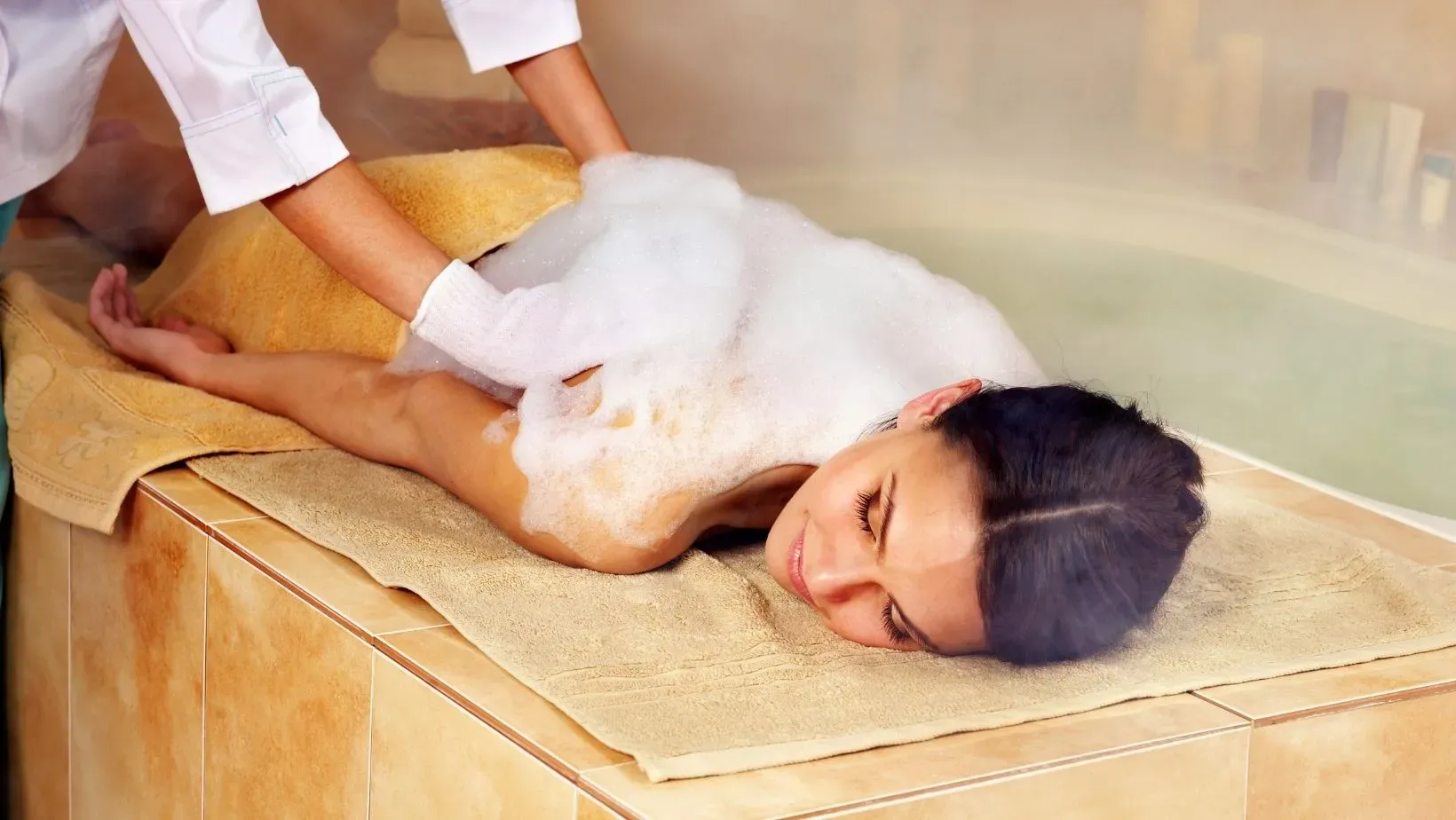
Turkish Bath Etiquette shapes how visitors approach the Hammam, guiding every moment from arrival to departure. Mastering Hammam etiquette tips can set the tone for a calm, respectful cleanse, and learning the Do’s and Don’ts for Hammam helps you participate with confidence. For travelers, Turkish bath etiquette guidelines remind you to observe modesty, cleanliness, and staff directions. Those who explore Turkish hammam customs gain a deeper appreciation for a centuries-old ritual that blends ceremonial washing with social courtesy. Whether you’re new to steam rooms or revisiting a beloved tradition, approaching the experience with awareness enriches your visit and respects others.
Beyond the label, this practice is often described through synonymous terms like hammam protocol, bathhouse manners, and steam-room decorum. From a search perspective, phrases such as traditional spa etiquette and Turkish bath culture link related ideas about cleansing rituals and respectful conduct. You can think of it as a public-space ritual where cleanliness, modesty, and attentiveness to attendants shape the experience. By framing the topic with these LSI-friendly terms, the content helps readers discover practical tips while connecting to broader cultural traditions.
Turkish Bath Etiquette: A Respectful Ritual
Turkish Bath Etiquette shapes the overall experience by guiding how guests interact with attendants, fellow bathers, and the space itself. It emphasizes cleanliness, modesty, and ritual self-care, while allowing for a flexible approach that respects local customs. Rather than a rigid code, it is a shared understanding that helps everyone relax and participate with ease in traditional or modern hammams.
In practice, adopting Turkish bath etiquette guidelines means listening to staff instructions, observing how others behave, and moving slowly through each stage of the ritual. The goal is a tranquil, respectful atmosphere that enhances cleansing, relaxation, and a sense of mindfulness. By embracing Hammam etiquette tips, visitors honor a centuries-old tradition that welcomes both first-timers and seasoned spa-goers.
Preparation and Arrival: What to Pack and Expect at the Door
Preparation begins before you enter. Pack a pestemal (or a light cotton towel), a clean hand towel, appropriate footwear, and any modest swimwear required by the facility. Dress codes vary, so it’s wise to check whether gender-segregated hours or sections apply. Being prepared helps you observe the Do’s and Don’ts for Hammam from the moment you arrive.
On arrival, greet staff politely and look to locals for cues if you are unsure of the rules. Bring water to stay hydrated, and be prepared to adapt to the facility’s routine—steam, exfoliation (kese), and rinse—so you can participate confidently. Observing the environment and following staff guidance demonstrates respect and makes the experience smoother for everyone.
Do’s, Don’ts, and Staff Interactions: Navigating the Hammam Experience
Do’s in a Hammam include arriving on time, asking questions if procedures are unfamiliar, maintaining a quiet voice, using the pestemal for modesty and hygiene, staying hydrated, and following staff cues during exfoliation or massage. These Hammam etiquette tips help preserve a peaceful atmosphere and ensure a restorative session for all participants.
Don’ts focus on minimizing disruption and respecting personal boundaries—avoid loud conversations or photography in private areas, refrain from wearing jewelry in steam rooms, and resist rushing through steps. Interacting with attendants with courtesy and openness makes the experience more enjoyable and culturally respectful, and tipping if appropriate aligns with local customs or facility policy.
Privacy, Gender, and Shared Spaces: Respect in the Hammam
Gender considerations and privacy are central to traditional hammams. Many facilities offer gender-segregated spaces or quiet signage to indicate rules about access. Observing Turkish bath etiquette guidelines in these settings means following posted directions, respecting private areas, and adjusting behavior to align with local norms.
When traveling with companions or navigating mixed spaces, look for clear indications from staff and signage. If mixed sessions are allowed, proceed with sensitivity to others’ comfort levels and personal boundaries. In every case, prioritizing modesty, discretion, and respect helps maintain a serene environment for all bathers.
Maximizing the Experience: Mindfulness, Architecture, and Cultural Insight
To maximize the Turkish bath experience, approach it as a restorative ritual. Slow your pace, focus on breathing, and let the steam, exfoliation, and cleansing wash support a sense of mental calm. Let staff guide each stage, using the moment as mindfulness practice rather than a race to finish.
Beyond the physical cleanse, take time to appreciate the architecture and history of historic baths, or observe contemporary spa adaptations. This mirrors Turkish hammam customs that blend centuries-old tradition with modern comfort, enriching your visit with cultural insight and a deeper connection to the space and its people.
Frequently Asked Questions
What is Turkish Bath Etiquette and how do Turkish bath etiquette guidelines shape the Hammam experience?
Turkish Bath Etiquette refers to the social norms, steps, and courtesies that guide interactions with attendants, fellow bathers, and the space. Following Turkish bath etiquette guidelines helps you participate with respect, maintain cleanliness, and create a tranquil, restorative Hammam experience for everyone.
What are the Do’s and Don’ts for Hammam that first-timers should know about Turkish Bath Etiquette?
Do arrive on time, ask questions if something is unfamiliar, use the pestemal to maintain modesty and hygiene, stay hydrated, and follow staff cues. Don’t disrupt others with loud conversations or rush through the ritual, and don’t wear jewelry or reveal private areas unless the facility allows it.
What should I wear and how should I handle hygiene in a Hammam according to Turkish hammam customs?
Dress codes vary; many traditional baths use a pestemal and towel, with modesty depending on the facility. Always wash before entering service areas and remove jewelry in steam rooms. In Turkish hammam customs, follow local norms and facility rules about dress and hygiene.
How should I interact with staff and tipping etiquette in a Hammam, aligned with Turkish bath etiquette guidelines?
Be polite, listen to attendant instructions, and follow guidance during exfoliation or massages. Tipping is common in many places and should reflect local customs and facility policy; when in doubt, observe what others tip or ask staff, in line with Turkish bath etiquette guidelines.
What practical tips help maximize your Hammam experience while respecting Turkish bath etiquette?
Bring a pestemal and a clean towel, wear sandals, hydrate before and after, and understand the routine order (steam, exfoliation, soap wash, rinse). Embrace a slower pace, focus on breathing, and appreciate the space and its history, reflecting Turkish hammam customs.
| Section | Key Points |
|---|---|
| What Turkish Bath Etiquette Means | A set of social norms, procedural steps, and courtesies that govern how guests interact with attendants, fellow bathers, and the space. Etiquette emphasizes cleanliness, modesty, and ritual self-care; it is about being clean, considerate, and following staff guidance. |
| Preparation Before You Go | Check gender-segregated hours or sections; bring a pestemal (cotton towel) or a towel, flip-flops, and a modest swimsuit if required. Rules vary by hammam; observe locals and staff for guidance. |
| When You Enter and Greet | Greet staff calmly and respectfully; listen to instructions for staff-assisted services; maintain a quiet demeanor to help everyone relax. |
| Inside the Hammam: What to Expect | A sequence of warm rooms around marble spaces and steam, typically including heating, rinsing, exfoliation (kese), and a massage or soap wash. You may lie on a warm stone slab; some facilities offer staff-assisted exfoliation while others guide you to self-wash. |
| Dress Code and Hygiene: What to Wear or Not Wear | Dress codes vary: pestemal plus towel and possibly topless or unclothed areas in private spaces; some hammams favor swimsuits. If unsure, ask staff. Hygiene is essential—wash before entering service areas and remove jewelry in steam rooms. |
| Do’s in a Hammam |
|
| Don’ts in a Hammam |
|
| Interacting with Staff and Tipping Etiquette | Attendants guide you through the cleansing ritual; speak politely and follow instructions, especially during exfoliation or massages. Tipping is common in many places but varies; consider tipping at session end if satisfied, or observe local practices. Budget a small amount for exfoliation and massage staff; small gifts may be appropriate in some cultures. |
| Gender Considerations and Privacy | Many traditional Hammams are gender-segregated. Check if the facility offers mixed areas or separate sessions, and follow signage and staff directions regarding privacy and access. |
| Practical Tips for First-Timers |
|
| Common Mistakes to Avoid |
|
| How to Maximize Your Experience | Prepare mentally for a slower pace, focus on breathing, and embrace cleansing as a holistic ritual. Let staff guide you through each stage, use the experience for mindfulness, and appreciate architecture and history when visiting historic baths. |
| A Note on Turkish Hammam Customs for Modern Visitors | Hammam etiquette bridges centuries of tradition and modern travel. Core principles—respect, cleanliness, and patience—remain, with variations between boutique spa Hammams and historic public baths. See rules as a guide to a respectful, culturally aware journey. |
Summary
Table of key points about Turkish Bath Etiquette.