


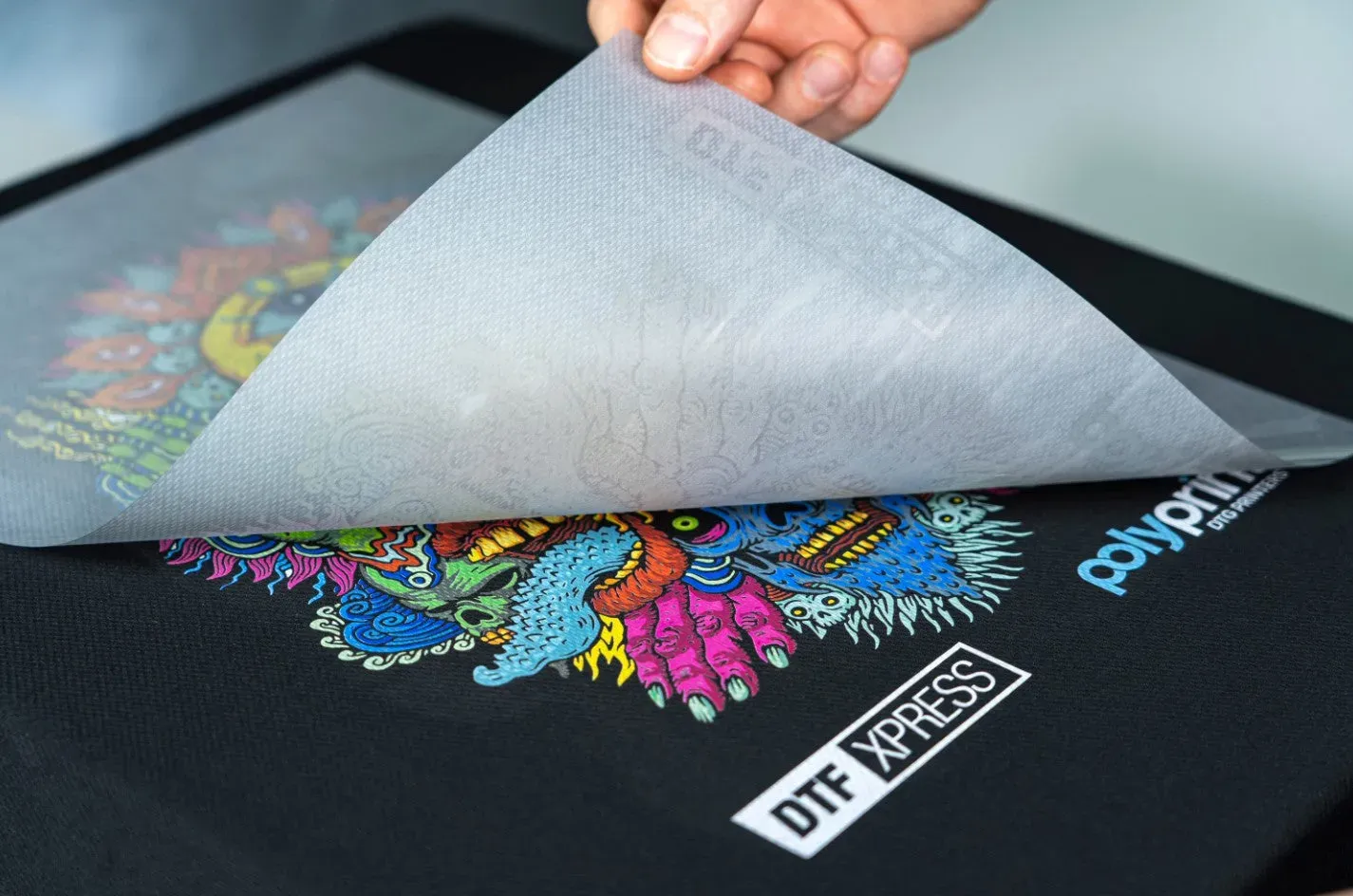
DTF transfers, often called Direct-to-Film transfers, are transforming how makers print on fabrics. This approach combines vibrant color, strong adhesion, and a workflow that can scale from hobby projects to small businesses. If you’re exploring fabric printing for beginners, DTF printing for beginners can be particularly forgiving with heat settings and color management. Understanding the basics of DTF transferring helps you choose the right materials, including DTF transfer paper, and set up a simple, repeatable process. In short, DTF transfers open creative possibilities across cotton, blends, and beyond, while keeping gear and costs approachable for newcomers.
Alternative terms you’ll see in discussions include film-based transfer and direct-to-film workflow, each pointing to the same idea of moving a printed image to fabric via a carrier film. Consider this approach as a middle ground between traditional vinyl transfers and full textile printing, offering versatility across fabrics and scales. In LSI-driven content, synonyms such as transfer film, white-underbase printing, and print-on-film help connect related topics like color management and adhesion, enabling readers to surface helpful tutorials and supplier options. Framing the topic with these related terms makes the concept accessible to beginners and seasoned crafters alike.
DTF Printing for Beginners: A Friendly Path to Colorful Fabrics
DTF printing, short for Direct-to-Film transfers, has opened a bright and approachable path into fabric printing for makers, hobbyists, and growing small businesses. It enables vibrant, detailed designs with a relatively forgiving workflow, which can be scaled as your needs evolve. For beginners, this method offers a balance of color richness and simple setup that avoids the steep learning curve of some textile techniques.
Getting started with DTF transferring hinges on a few core ingredients and steps: a compatible printer, DTF transfer film and DTF transfer paper, white ink alongside CMYK inks, adhesive powder, a curing method, and a heat press for final transfer. With these basics, you can practice design, color management, and heat timings, gradually building confidence as you expand into more fabrics and product types.
DTF Transfers in Practice: Direct-to-Film Transfers vs HTV and Sublimation
DTF transfers offer full-color, photographic-quality images that can be applied to a wide range of fabrics, often with a softer hand-feel than traditional HTV. This makes DTF transfers a strong choice for intricate artwork, smooth gradients, and designs that need to look consistent across different garment types. The direct-to-film workflow reduces the complexity of layering multiple vinyl colors, which can be a real advantage for beginners.
When compared to sublimation, DTF transfers provide greater versatility, since they work on many fabrics beyond polyester blends and dark fabrics alike. Sublimation is excellent for light-colored, polyester-based substrates, but DTF printing for beginners opens up options across cotton, blends, and more, without requiring a special base. For small runs and detailed art, DTF transfers can be a practical, scalable alternative to traditional screen printing.
Choosing DTF Transfer Paper and Powders: A Beginner’s Guide
Selecting the right DTF transfer paper and adhesive powder is foundational to successful results. Paper film thickness and finish impact handling and transfer accuracy, while powder grain size influences texture and adhesion. Finer powders tend to yield smoother transfers, while coarser powders can add subtle texture. For newcomers, starting with a balanced, mid-range powder and standard paper works well as you learn the process.
Beyond powder, ensure your materials are compatible with your printer and ink system, especially if you’re using white ink for underbases. Testing across a few fabric swatches helps you understand how the transfer paper and powders behave on different substrates, which is essential for reliable results in DTF transfers for fabric and other items. Keeping notes on temperature, time, and fabric type will pay off as you scale up your projects.
Design and Color Management for DTF Printing: White Underbase and Color Fidelity
Designing for DTF transfers requires careful planning of color layers, particularly the white underbase on dark fabrics. A strong white layer helps produce true color vibrancy and prevents colors from washing out. High-resolution artwork (ideally 300 DPI or higher) ensures crisp edges and smooth gradients, making DTF printing for beginners more forgiving when starting with complex images.
Effective color management involves choosing the right CMYK workflow and, if possible, using RIP software to manage white underbase, color separations, and print order. Testing prints on similar fabrics is essential to verify edge sharpness, color balance, and overall transfer quality. This approach aligns with best practices in DTF printing and supports consistent results as you expand your catalog.
Troubleshooting, Maintenance, and Scaling DTF Projects
Even with a solid setup, issues can arise. Common problems like fading colors after wash, cracking, or edges not sticking often trace back to curing steps, heat settings, or fabric prep. Revisit your adhesive powder curing, verify transfer temperatures and times, and consider running additional test prints to identify the best combination for each fabric type.
As you grow from beginner to more ambitious projects, document your settings, refine your workflow, and gradually expand into new products such as tote bags or hats. Scaling with DTF transfers for fabric is possible by maintaining consistent processes, investing in reliable equipment, and building a repeatable color-management routine that keeps results professional across runs.
Frequently Asked Questions
What is DTF transfer paper and how does it fit into the DTF printing process?
DTF transfer paper is the backing material used in the direct-to-film transfer workflow. In most setups you print the design onto a DTF transfer film (the carrier), then apply adhesive powder, cure, and press the film onto fabric with heat. The paper backing helps handling and can influence transfer quality, but the film is the main carrier in the typical DTF process. This approach blends the versatility of HTV and the color richness of full-color printing, making it beginner-friendly.
Which fabrics work best with DTF transfers for fabric, and how can I test durability?
DTF transfers for fabric work well on cotton, cotton blends, and many fabric types, including some polyester blends. To gauge durability, always test on a fabric sample: pre-wash or pre-treat, print a small design, cure the powder, press at the recommended settings, then wash and dry according to care instructions. Use a small test swatch to check color, adhesion, and wash performance before any production run.
What basic supplies do I need to start DTF printing for beginners?
Starting DTF printing for beginners requires a reliable setup: a compatible printer with water-based inks (CMYK plus white), DTF transfer film and/or DTF transfer paper, adhesive powder, a curing device, and a heat press. You may also use RIP software to manage color separation and white underbase, though it’s optional. Have a clean workspace, accurate temperature controls, and test fabrics to dial in times and temps.
How do I troubleshoot common issues in DTF transfers for fabric, such as fading colors or cracking?
Common issues like fading, cracking, or white underbase problems usually stem from heat settings, powder curing, or fabric prep. Fixes: verify adhesive powder is fully cured, adjust transfer temperature and time, ensure even pressure across the design, and confirm white ink is printing correctly for a solid underbase. Also check substrate prep and proper carrier film handling to prevent edge lifting or smudging.
How can I scale from beginner to a capable DTF project with direct-to-film transfers?
From a beginner to a capable DTF project, expand by applying transfers to more items (bags, hats, sweatshirts) and experimenting with multipart or gradient designs. Document settings, test across fabrics, and gradually invest in a more robust heat press and a reliable printer and powders. This scalable workflow—combined with consistent color management and careful testing—lets you grow from tees to small production runs.
| Aspect | Key Points |
|---|---|
| What is DTF printing? | Direct-to-Film printing prints designs onto a transparent film using water-based inks (CMYK + white underbase), applies adhesive powder, then transfers to fabric with heat for durable, detailed results; sits between HTV and sublimation in workflow. |
| DTF transfers vs other methods | Compared to HTV: full-color designs and softer hand-feel; easier color management. Compared to sublimation: works on more fabrics; not limited to polyester. Compared to screen printing: better for small runs and detailed artwork. |
| Starter kit essentials | Printer with compatible inks, DTF film/paper, white and CMYK inks, adhesive powder, curing device, heat press, and optional RIP software. |
| DTF transfer process (steps) | Artwork prep (300 DPI, CMYK, white underbase) → print on film (CMYK + white) → apply and cure adhesive powder → optional powder peel → transfer with heat/pressure → peel carrier → post-press care. |
| Design & color management | Use strong white base on dark fabrics; 300 DPI; proper color separation; test prints; clean file preparation (outlines for text if needed). |
| Materials & equipment explained | DTF film vs paper; adhesive powder; white + CMYK inks; heat press and curing equipment; fabrics; testing across substrates. |
| Paper & powders selection | Consider film thickness/finish, white ink compatibility, powder grain size, cure times and temperatures. |
| Fabric types & care | DTF transfers work on cotton, blends, polyester blends, and many fabrics; pre-wash; turn inside out; air dry; avoid high heat on design. |
| Troubleshooting | Fading colors: verify curing, temperature/time; cracking/peeling: adjust heat and prep; edges not sticking: ensure even pressure; white underbase not covering: check white ink; smudging: ensure film dryness. |
| Scaling & applications | From t-shirts to bags, caps, and more; supports small runs and complex designs; creates opportunities for products and businesses. |
| Quick comparison | DTF is ideal for full-color, versatile designs across many fabrics; for high-volume simple designs, screen printing may be cheaper; sublimation suits polyester/light fabrics; DTF remains adaptable. |
Summary
DTF transfers offer an approachable path to vibrant, durable fabric printing for beginners and creators alike. This descriptive overview highlights the direct-to-film workflow—from artwork preparation and white underbase to adhesive powder curing and precise heat transfer—enabling reliable results across a wide range of fabrics. With careful testing, documentation of settings, and fabric-specific adjustments, DTF transfers can scale from small projects to growing businesses. Embrace the learning curve, harness the flexibility of DTF transfers, and turn compelling designs into wearables and goods clients love.