


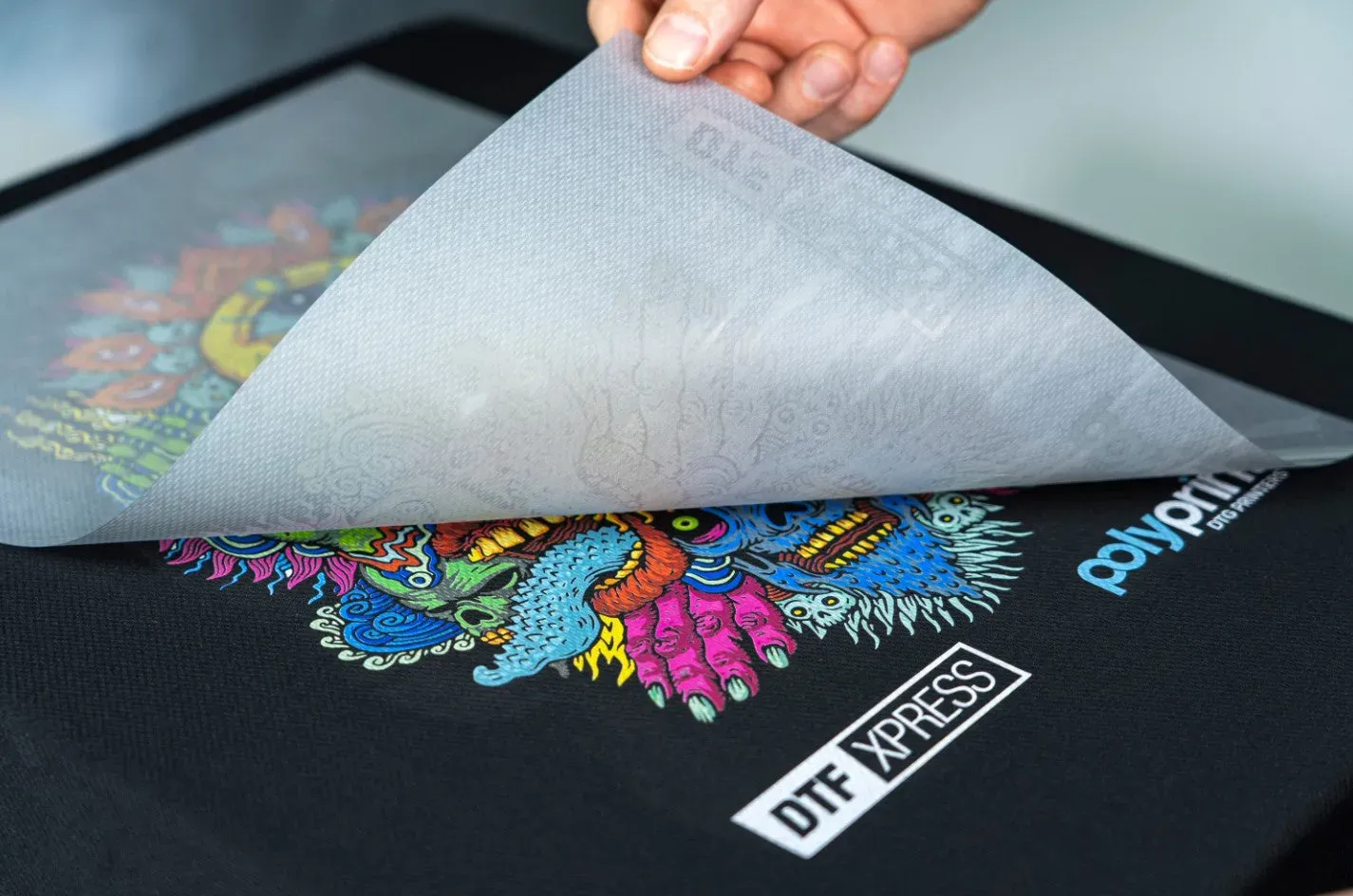
DTF transfers have surged to the forefront of custom apparel printing, offering a versatile and cost-effective path from design to wearable product. As brands and individuals embrace rapid personalization, DTF transfers provide vibrant color, strong adhesion, and compatibility with a wide range of fabrics. In 2026, the DTF transfer trends 2026 landscape continues to evolve with better materials, improved printing techniques, and smarter workflows. This guide dives into the key trends, techniques, and tips you’ll want to know to succeed with DTF transfers this year, including DTF printing techniques and DTF heat transfer tips. From selecting DTF transfer materials to weighing DTF vs DTG, you’ll gain practical guidance for reliable results.
Other terms you might encounter for this technique include film-based garment decoration, digital textile transfers, or heat-applied graphics on fabrics. The process uses a printable film, an adhesive layer, and a heat press to fuse designs onto a variety of fabrics with durable color. Viewed through an LSI lens, related concepts like white underbase, powder curing, and color management reinforce the overall approach without overemphasizing one brand or method. This broader terminology helps designers compare methods such as direct-to-garment and mixed-fabric workflows while focusing on outcome quality. When selecting materials and equipment, terms like transfer materials, inks, and substrate compatibility are part of the same ecosystem that drives consistency and scalability.
DTF Transfers in 2026: Trends and Opportunities Across Fabrics
DTF transfers are reshaping how brands scale customization in 2026, with broader adoption across boutique labels, POD shops, and even larger apparel brands. The demand for personalized, quick-turn designs drives interest in DTF transfer trends 2026, as vibrant color, durable adhesion, and fabric versatility become differentiators. DTF transfers work on cotton, polyester, blends, denim, and even some leather substrates without extensive pretreatment, enabling multi-color graphics with crisp edges. In this climate, designers push for realistic skin tones, gradients, and fine line work, supported by advances in DTF inks and white underbases that improve color fidelity across substrates.
Business-wise, the 2026 landscape rewards efficient workflows and reliable materials. Shops that optimize color management, proofing, and post-press processes report fewer reprints and better consistency across batches. Equally important is selecting compatible DTF transfer materials and equipment to reduce edge curl and ensure strong wash durability, which helps lower long-term costs while expanding substrate options. As e-commerce momentum continues, reliable DTF transfer solutions that deliver repeatable results become a competitive advantage, enabling faster time-to-market with flexible run sizes.
DTF Printing Techniques: From Design to Durable Transfers
DTF printing techniques start with meticulous design prep and color management. You prepare vector artwork for crisp lines, convert images to suitable bitmaps, and calibrate color profiles to minimize shifts across fabrics. The white underbase remains crucial when printing on dark fabrics, ensuring vibrant, opaque results before the colored layers go on the PET film.
Next, printing on PET film and applying the white underbase sets the stage for robust color reproduction and wash durability. The choice of printer, ink set, and the adhesive formulation shape edge sharpness, color reach, and how well the final transfer performs after heat pressing. Finally, powder application, curing, and the heat transfer step complete the four-stage process and determine long-term durability.
DTF Transfer Materials: Films, Powders, Inks for Consistent Results
DTF transfer materials form the backbone of reliable production. High-quality PET film, adhesive powders, and compatible inks influence adhesion strength, edge curl, and the ability to reproduce vivid colors across fabrics. A thoughtful material selection reduces reprints and helps maintain consistent results from batch to batch.
Owners should build a library of approved DTF transfer materials, conducting side-by-side tests across common fabrics—cotton, blends, and synthetics—to identify sets that deliver strong wash durability and reliable post-press adhesion. As suppliers compete in 2026, better films, powders, and ink formulations appear at lower costs, enabling smaller shops to scale without sacrificing performance.
DTF Heat Transfer Tips: Optimizing Temperature, Pressure, and Time
DTF heat transfer tips center on three levers: temperature, pressure, and dwell time. Establish baseline settings for your typical fabrics, then adjust for blends or textured surfaces. Consistent curing of the adhesive powder and careful respect for manufacturer guidelines help you avoid edge issues and scorching while maximizing color retention.
Additionally, post-press handling matters: avoid stacking hot transfers, allow cooling before handling, and manage substrate variability such as color and texture that affect opacity. Confidence comes from test prints with representative swatches, verifying adhesion and edge fidelity before committing to full runs.
DTF vs DTG: Choosing Versatility, Cost, and Quality for Your Runs
DTF transfers and DTG each have strengths. DTF tends to offer broader fabric compatibility, including blends and synthetics, with less pretreatment required and strong edge clarity on many substrates. DTG can deliver ultra-fine detail and color richness on compatible textiles, but often relies on pretreatment and is more sensitive to fabric type and weave.
For many shops, the best ROI comes from combining methods: use DTF for versatile, cost-efficient short runs across mixed fabrics, and reserve DTG for high-detail color work on suitable textiles. This balanced approach supports on-demand printing strategies and scalable production while maintaining quality across a diverse product mix.
Frequently Asked Questions
What are the key DTF transfer trends 2026 and how will they influence your production?
DTF transfer trends 2026 include broader adoption across industries, demand for customization and shorter lead times, and ongoing upgrades in materials and equipment. Improvements in DTF inks and white underbases boost color vitality and realism, while more affordable yet reliable DTF transfer materials make it easier for small shops to scale. For production, these trends translate to better color matching across fabrics, stronger post-press adhesion, fewer reprints, and more consistent results batch after batch.
What are the core elements of DTF printing techniques that determine result quality?
DTF printing techniques involve four core stages: design prep and color management, printing on PET film with a white underbase, powder application and curing, and heat transfer to fabric. Each step affects opacity, edge sharpness, and wash durability, so carefully calibrating color profiles, choosing the right printer and ink set, and proper powder curing are essential.
What are practical DTF heat transfer tips to improve adhesion, durability, and edge quality?
DTF heat transfer tips include establishing a reliable cure protocol for the adhesive powder, optimizing heat press temperature and dwell time, ensuring even film alignment, and performing test prints on representative fabrics. Use adequate underbase for dark fabrics and practice edge sealing to reduce scorching and ghost lines.
How does DTF vs DTG compare, and when should you consider using DTF transfer materials?
DTF vs DTG: DTF generally offers broader fabric compatibility, less pretreatment, and lower unit costs for small runs, while DTG can excel in ultra-fine detail on certain textiles. When choosing between methods for mixed fabrics or cost-sensitive short runs, DTF transfer materials and a flexible workflow often provide better ROI, with DTG reserved for high-detail color work on compatible fabrics.
What common challenges do you encounter with DTF transfers, and how can selecting reliable DTF transfer materials help prevent them?
Common challenges with DTF transfers include edge curling, ghosting, inconsistent color, and poor adhesion on stretch fabrics. To prevent these, use high-quality DTF transfer materials, ensure proper curing, verify film alignment, optimize underbase opacity for dark fabrics, and maintain consistent heat press parameters across batches.
| Section | Key Points |
|---|---|
| Trends 2026 | Broader adoption across small boutique lines to larger POD shops; demand for customization, short lead times, and durable results. DTF transfers enable multi-color designs on cotton, polyester, blends, denim, and some leather without extensive pretreatment. Color vitality and realism improve with better inks and white underbases. Upgraded materials and equipment offer better release, less edge curl, and stronger post-press adhesion; more affordable, reliable options help smaller shops scale. |
| Why DTF transfers keep growing | Advantages: less fabric-specific, no pretreatment for most fabrics, and full-color designs with crisp edges. Process: print on film, add adhesive, then transfer with heat. Ideal for short runs, on-demand, and customized batches. E-commerce growth drives demand for reliable DTF solutions with consistent results day after day. |
| DTF printing techniques and process basics | Four core stages: 1) Design prep and color management; 2) Printing on PET film with a white underbase; 3) Powder application and curing; 4) Heat transfer to fabric. Each stage has options and nuances that affect results. 1) Design prep: clean designs, vector logos, color calibration, proofing. 2) Printing on PET film: white underbase improves opacity. 3) Powder application: adhesive powder applied and cured to prevent shedding. 4) Heat transfer: temperature, duration, pressure, and post-press handling drive adhesion and durability. |
| DTF vs DTG: choosing the right method | Fabric compatibility: DTF works across a wider fabric range, including blends and synthetics. Pretreatment: DTG often needs pretreatment; DTF can reduce or eliminate for many fabrics. Cost per unit: DTF can be cheaper for small runs due to lower setup. Durability: properly cured DTF offers strong wash durability. Workflow: DTF supports high-volume output; DTG shines in ultra-fine color work on some fabrics. In many cases, a mix of methods offers the best ROI. |
| Tips for mastering DTF transfers in 2026 | Invest in reliable materials (PET film, adhesive powders, inks); Calibrate color and proof; Establish a consistent curing protocol; Optimize heat transfer parameters; Manage substrate variability with fabric color cards; Streamline workflow for speed and quality; Provide aftercare guidance for customers. |
| Common challenges and troubleshooting | Edge curling and ghost lines: ensure even powder and transfer pressure. Inconsistent color: revisit color management and re-proof. Poor adhesion on stretch fabrics: confirm fabric compatibility and adjust underbase/adhesive. Incomplete transfer: verify film release and pre-press to remove moisture. |
| Supply chain considerations for 2026 | Maintain relationships with multiple suppliers for films, powders, and inks; keep buffer stock of essential items; maintain a library of tested materials to reduce reprints and ensure consistent results. |
| Cost, ROI, and business impact | DTF transfers enable on-demand printing with short lead times, reducing inventory risk. Initial investments exist in printers, heat presses, and materials; ongoing per-unit costs can be competitive for mixed-fabric runs. A strategic product mix, strong quality control, and efficient workflows maximize profitability in 2026 and beyond. |
Summary
DTF transfers continue to redefine how brands and individuals approach custom apparel. By embracing the 2026 trends—better materials, robust techniques, and practical tips for heat transfer and color management—you can deliver vibrant, durable designs across a wide range of fabrics. Whether you’re evaluating DTF transfer materials, comparing DTF vs DTG, or refining your DTF printing techniques, the path to success lies in thoughtful preparation, consistent processes, and a focus on quality that endures wash after wash. As the market evolves, staying current with trends like DTF transfer trends 2026 and applying best practices in DTF printing techniques will keep your business competitive and your customers satisfied.