


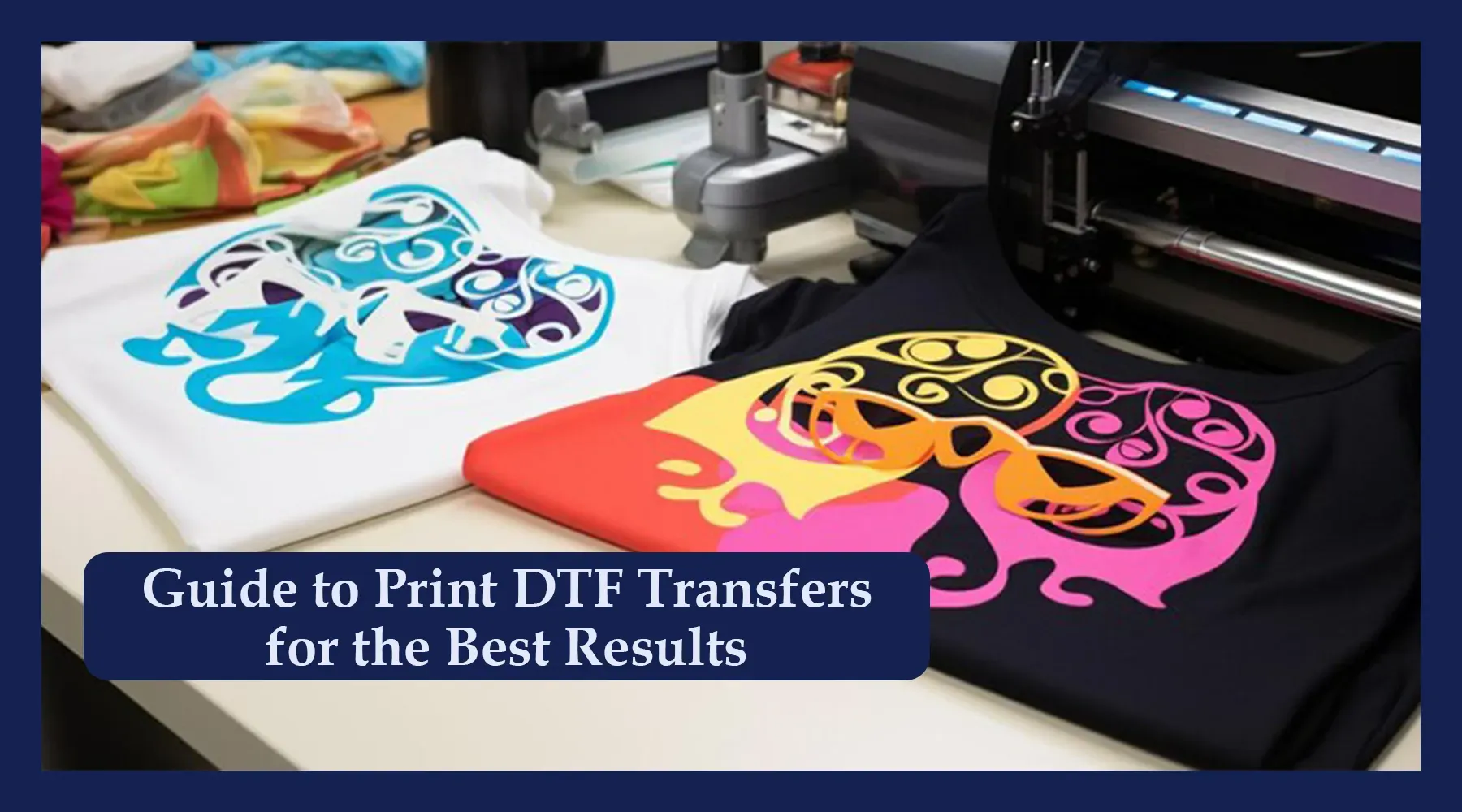
DTF transfers have transformed garment decoration by delivering vibrant, durable prints on a wide range of fabrics at a cost that beginners can afford. If you’re exploring direct-to-film printing, you’ll discover a flexible method that balances ease and reliability for home studios and small shops. The DTF transfer process supports bright colors on both light and dark fabrics, and it’s friendly to newcomers thanks to forgiving workflows and readily available supplies. For beginners, understanding heat press settings and choosing compatible DTF inks can make the difference between a great result and a wasted transfer. This guide introduces DTF printing for beginners and lays out practical steps you can start using today to create professional-looking garments.
Alternative terms for this growing technique describe it as a film-based garment transfer powered by inkjet colors. In the world of textile decoration, the same concept is often called a PET-film transfer or a surface-print-on-film workflow, where designs are first printed on a transparent sheet before being applied with heat. Designers appreciate its versatility for both light and dark fabrics, thanks to a built-in white underlayer that helps color pop. When exploring this method, consider the overall workflow, from film preparation and powder coating to proper press time and pressure, which mirrors common heat transfer practices. By thinking in terms of film-to-fabric decoration and color-layering strategies, you’ll align with practical, beginner-friendly approaches.
DTF transfers: fundamentals for beginners
Direct-to-film (DTF) transfers are a garment-decoration method where a design is printed onto a PET transfer film using an inkjet-style printer, then coated with an adhesive powder and cured before bonding to fabric. This process blends the accessibility of direct-to-film printing with the durability of heat-pressed graphics, making it a practical entry point for newcomers.
For beginners, DTF transfers offer vibrant colors on a wide range of fabrics and a forgiving workflow compared to some other methods. With the right approach to color management and proper curing, you can achieve professional-looking results without investing in complex equipment or workflows. This makes DTF printing for beginners a smart way to expand your textile-decoration toolkit.
From design to garment: the DTF transfer process demystified
The DTF transfer process starts with designing artwork that considers a white underbase for dark fabrics, followed by printing on the PET film using a printer capable of white ink. The white layer helps colors pop and ensures visibility on dark textiles, which is a core advantage of direct-to-film printing.
After printing, adhesive powder is evenly applied and cured to create a heat-activated bond. The powder-coated film is then prepared for pressing, placed on the garment, and fused with a heat press at the recommended temperature and time to achieve a durable, washable transfer.
Choosing fabrics and substrates for durable DTF transfers
Fabric choice significantly influences results. Cotton and cotton blends typically deliver bright, long-lasting colors with DTF transfers, while polyester and poly blends may require adjustments to ink sets and pre-press conditions to prevent issues like dye migration.
Always pre-wash fabrics to minimize shrinkage that could misalign designs after pressing. Selecting substrates that work well with DTF inks and the transfer film will help maximize durability and color fidelity across light-to-dark fabrics.
Color and image quality optimization in direct-to-film printing
Effective color optimization hinges on planning for a white underbase, correct color separations, and calibration to preserve vibrancy on both light and dark garments. Direct-to-film printing benefits from using reliable DTF inks and consistent print profiles to maintain color accuracy.
Investing in test prints on representative fabrics helps verify underbase strength, edge sharpness, and overall color fidelity. By aligning artwork with calibration charts and soft proofing, you can achieve consistently bright and accurate results in real-world applications.
Troubleshooting common DTF transfer results and best practices
Common issues include misalignment, powder not sticking, and ink bleeding. These problems often trace back to preregistration during design, the curing step, or inconsistent heat-press settings.
Adopt a systematic approach: check printer and film quality, ensure even powder application, verify curing times, and optimize pressure distribution on the heat press. Regular maintenance and standardized templates for common fabrics help improve outcomes and reduce reprints.
Frequently Asked Questions
What are DTF transfers and how does the DTF transfer process work in direct-to-film printing?
DTF transfers involve printing a design onto a PET transfer film using inkjet technology, applying adhesive powder, curing, and then pressing the film onto fabric. In the direct-to-film printing (DTF) transfer process, you typically print a white underbase for dark fabrics, follow with CMYK colors, cure the powder, and use a heat press to transfer the design. This method yields vibrant, durable graphics on a wide range of fabrics and is beginner-friendly when you follow proper heat-press settings and curing steps.
Why is DTF printing for beginners popular for projects that use heat press settings?
DTF printing for beginners is popular because it uses a straightforward workflow, supports both light and dark garments, and offers forgiving color management. Start with the white underbase, then add CMYK colors on a PET film, dust and cure adhesive powder, and press using standard heat press settings. With basic equipment and careful testing, you can achieve professional-looking results without advanced techniques.
What role do DTF inks play in DTF transfers and how do ink choices affect color and durability in direct-to-film printing?
DTF inks are the colorants used for the white underbase and CMYK layers in DTF transfers. Using compatible DTF inks designed for transfer films helps achieve bright colors, good opacity on dark fabrics, and durable adhesion after curing. Always follow the ink manufacturer and film guidelines to maintain consistency in direct-to-film printing.
How should I set heat press settings for DTF transfers on different fabrics?
Heat press settings depend on fabric type, but a common starting point is around 160–170°C (320–340°F) for 15–25 seconds with even pressure. Pre-press the garment to remove moisture, then press the film with the printed side down, using a silicone sheet if needed. After pressing, choose a hot or cold peel according to your material and guidelines.
What common mistakes should beginners avoid with DTF transfers and how can I troubleshoot them?
Common mistakes include misalignment, powder not sticking, peeling after wash, ink bleeding, and rough texture. Troubleshoot by using registration marks, ensuring even powder application and proper curing, verifying temperature and time, and running test prints on representative fabrics. A consistent step-by-step workflow will reduce errors and improve DTF transfer results.
| Topic | Key Points |
|---|---|
| What is DTF printing? | – Direct-to-film printing prints a design onto a PET transfer film using inkjet technology, typically with CMYK inks plus a white underbase for dark fabrics. – A layer of adhesive powder is applied and cured before the film is pressed onto fabric. – The result is a durable transfer suitable for a range of fabrics; beginner-friendly due to forgiving workflows and versatile results. |
| The DTF transfer process (step-by-step) | – Step 1: Design with color management and white underbase in mind. – Step 2: Print on PET film (white underbase first, then CMYK). – Step 3: Apply adhesive powder and cure. – Step 4: Prepare for pressing (check for loose powder). – Step 5: Transfer with heat press (160–170°C/320–340°F for 15–25s); peel hot or cold. – Step 6: Optional curing/finishing and cool-down. – Step 7: Clean-up and storage of films and powders. |
| Who benefits from DTF transfers? | – Beginners and hobbyists benefit from vivid colors, compatibility with dark and light fabrics, and a relatively forgiving workflow. – Suitable for garments and a variety of substrates with scalable results. |
| Fabrics and substrates | – Works on cotton, cotton blends, polyester and blends; white underbase is crucial for bright colors on dark fabrics. – Pre-wash fabrics to reduce shrinkage and maintain alignment. |
| Equipment and supplies | – DTF printer with white ink capability – PET transfer film and release liners – White and CMYK inks – Adhesive powder and curing device – Heat press with even pressure and temperature control – Tape, silicone sheets, protective covers, and a clean workspace – Suitable substrates (cotton, blends, etc.) |
| Design, color management, and printing tips | – Plan for a white underbase on dark fabrics and use high-contrast colors. – Run test prints to verify color accuracy, powder adhesion, and transfer integrity. – Use color profiles or calibration where possible to minimize shifts. – Design with layering and texture in mind; adjust details for fabric behavior. |
| A beginner-friendly workflow | – Design and pre-press planning with white underbase in mind. – Print on PET film with white ink first, then CMYK. – Powder coat, cure, and prepare for pressing. – Transfer with proper temp/time; peel as recommended by materials. – Post-press cure and cooling; clean and store for future projects. |
| Common mistakes and troubleshooting | – Misalignment: use registration marks or tape for alignment. – Powder not sticking: ensure even application and proper curing. – Peeling or cracking after wash: recheck time, temperature, and pressure. – Ink bleeding: check moisture, pre-press duration, and ink compatibility. – Rough texture/raised edges: verify curing and powder viscosity. |
| Quality, costs, and maintenance | – Regular maintenance of printer heads and films. – Start with standard fabrics and mid-range inks to manage costs. – Use standardized templates/settings for efficiency. – Store consumables dry and dispose of powders responsibly. |
Summary
DTF transfers offer a practical and approachable route to professional-looking apparel for beginners and hobbyists. They enable vibrant designs on a wide range of fabrics with a durable finish. The process combines inkjet-like printing on PET film, adhesive powder, and heat pressing, delivering forgiving results for learners. As you gain experience, you can refine color management, powder handling, and press settings to achieve consistent outcomes across projects. Whether you’re decorating shirts for a small business or personal projects, DTF transfers open up exciting possibilities in garment decoration.