


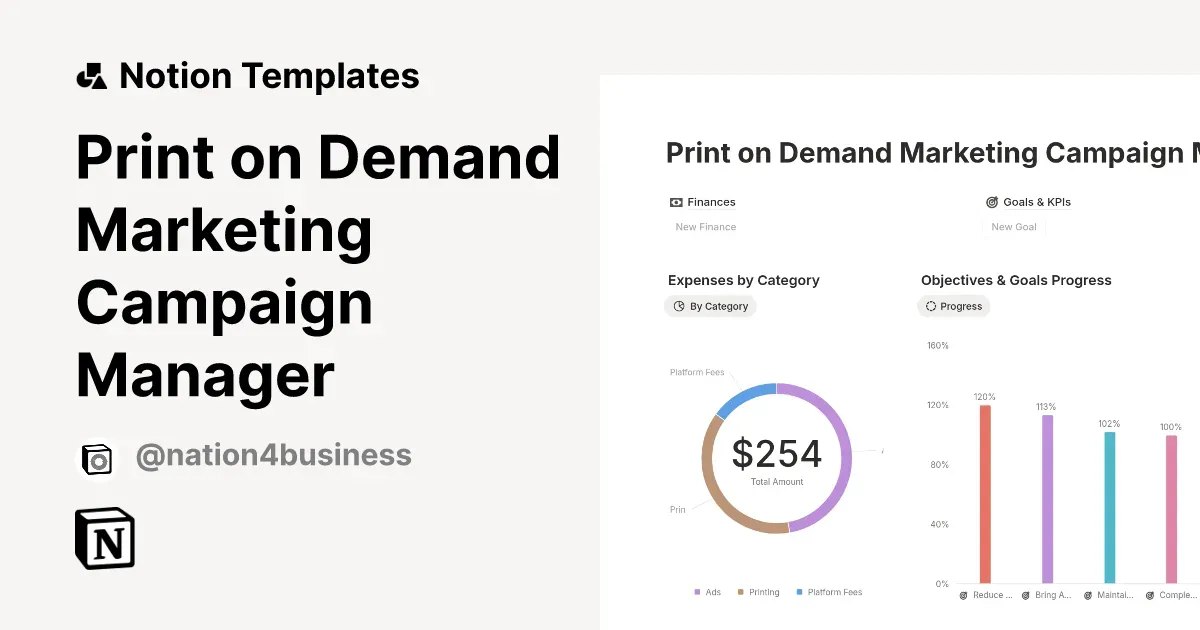
Low-Cost Print on Demand Marketing Campaigns offer a smart, budget-conscious path to growth for store owners who want measurable results without draining resources. You don’t need a massive ad spend to reach the right customers when you combine precise targeting with compelling offers. By focusing on high-return tactics like email capture, organic content, and tight creative testing, you can prove that POD marketing on a budget can outperform bigger, riskier bets. This guide shares practical steps, repeatable frameworks, and real-world examples to help you reach the right people, convert interest into sales, and scale with confidence. Whether you’re starting fresh or optimizing an existing line, smart budgeting and disciplined execution can deliver sustainable growth through cost-effective POD campaigns and proven strategies.
Viewed through a budget-friendly lens, the same opportunity becomes affordable, scalable growth for your POD brand. Think of it as value-driven campaigns that emphasize relevance, testing, and conversion without extravagant budgets. This approach borrows from affordable print-on-demand marketing ideas, budget-conscious advertising, and tactical content that earns attention across search, social, and email. By leaning on organic reach, user-generated content, and careful measurement, you can build a durable marketing engine that sustains momentum. In this frame, terms like cost-efficient promotional strategies for print on demand, frugal e-commerce promotion, and budget-friendly product storytelling all point to the same goal: meaningful results with fewer dollars.
Low-Cost Print on Demand Marketing Campaigns that Deliver ROI
Budget-friendly marketing for a POD store doesn’t mean sacrificing impact. By focusing on relevance, disciplined experimentation, and clear attribution, you can craft Low-Cost Print on Demand Marketing Campaigns that actually move the needle. This approach prioritizes precision over spend, ensuring every dollar is directed toward audiences and messages with the highest potential for conversion while maintaining a scalable growth trajectory.
To execute effectively, anchor your campaigns around a repeatable framework: identify your ideal customer, define a compelling offer, and set a testing cadence that reveals which tactics deliver the best ROI. With tight targeting and well-timed incentives, you can outperform more expensive campaigns by driving higher relevance and better cost efficiency. This section lays the groundwork for budget-conscious growth that compounds over time.
POD Marketing on a Budget: Precision Targeting and Micro-Segments
POD marketing on a budget hinges on smart segmentation. Start with micro segments that you can reach with highly resonant messages—gift buyers, students, or local businesses needing customized swag. Position your value with concrete benefits like free shipping thresholds, limited-time discounts, or bundle offers. This level of specificity improves click-through and conversion rates without requiring a large ad spend.
Pair tight targeting with a structured testing plan to learn quickly which audiences and offers drive the best results. Combine email capture, retargeting, and content-driven touchpoints to nurture prospects through the funnel. By focusing on cost-effective POD campaigns that emphasize relevance, you’ll collect data that informs future expansions and keeps costs predictable.
Creating a Content Engine: Cheap Print on Demand Marketing Strategies that Scale
Content marketing is a cornerstone of scalable, low-cost growth. Build a content engine that attracts organic traffic, establishes authority, and supports email capture. Create high-quality design guides, tutorials on your POD platform, and niche buying guides that answer real questions. This is where print on demand marketing tips intersect with SEO, helping you attract visitors without paying per click.
Optimize content for search intent and long-tail keywords your audience actually searches for. Then repurpose top-performing assets into social posts, email snippets, and product pages to maximize value. Evergreen content—like design ideas or best practices for POD product photography—provides ongoing ROI and supports both organic discovery and paid campaigns.
POD Advertising on Social Media: Smart Tactics for Small Budgets
POD advertising on social media can yield strong results when budgets are tight. Start with micro budgets, test multiple creatives, and use lookalike audiences built from your best customers. Frequency capping and precise placements help you stay cost-efficient while maintaining message relevance. Creative should showcase tangible benefits, real usage scenarios, and authentic social proof to drive conversions without overspending.
Combine paid efforts with authentic, user-generated content and social proof to stretch every dollar further. Encourage customers to share their experiences, run simple contests, and feature real customer imagery in product pages and posts. This approach aligns well with cheap print on demand marketing strategies by leveraging the voice of buyers and reducing production costs.
Measuring, Iterating, and Scaling: Cost-Effective POD Campaigns that Grow
A disciplined measurement plan is essential for profitable growth on a limited budget. Track CPA, ROAS, AOV, email engagement, and overall profitability across channels. Build dashboards that summarize performance and use weekly sprints to adjust budgets, swap underperforming creatives, and double down on the tactics that deliver the best balance of reach and conversion. This data-driven approach ensures you scale only what works.
Operational discipline matters as you scale cost-effectively. Source reliable suppliers, reuse evergreen content, and centralize assets to accelerate execution. Maintain a clear attribution framework so you know which tactic drove revenue, not just clicks. With a focused plan and a willingness to iterate, you can convert ideas into profitable Low-Cost Print on Demand Marketing Campaigns that sustain long-term growth.
Frequently Asked Questions
What are Low-Cost Print on Demand Marketing Campaigns and how can I get started on a budget?
Low-Cost Print on Demand Marketing Campaigns are growth efforts that deliver meaningful results without large budgets by prioritizing relevance, disciplined testing, and clear attribution. Start by defining your ideal customer, your core value proposition, and measurable outcomes (traffic, signups, or sales). Plan the channels that best reach your audience, set a realistic budget, and establish a testing cadence to learn quickly which tactics work. Emphasize three core principles: relevance in messaging, systematic experimentation, and attribution to scale what performs. Practical steps include building an email welcome sequence, optimizing product pages for search, and creating content that attracts organic traffic. With smart planning and consistent execution, you can achieve sustainable growth without breaking the bank.
How can I run cost-effective POD campaigns that maximize results without overspending?
Start with micro-targeting and tight budgets to keep costs predictable. Use micro segments (e.g., gift buyers, students) and craft messages that speak directly to their needs. Create lookalike audiences from your best customers and combine them with retargeting to recover interested visitors. Keep ad creative concise, focused on concrete benefits, and test multiple headlines and visuals while caping frequency to avoid fatigue. Track metrics like CPA and ROAS, pausing underperformers and doubling down on what works. Pair paid campaigns with a strong content and email pipeline to sustain momentum beyond the ad spend.
What are essential print on demand marketing tips for beginners with a limited budget?
Key print on demand marketing tips include building an email list with a compelling lead magnet, creating a content engine (design ideas, tutorials, and buying guides), and optimizing product pages for SEO. Publish content that answers real questions and targets long-tail keywords, then promote it via social channels and email. Leverage user-generated content and partnerships to expand reach at low cost. Use structured product descriptions, FAQs, and schema markup to improve visibility without extra spend. Monitor engagement and conversions to refine your approach and grow steadily.
How can POD advertising on social media be effective when budget is tight?
POD advertising on social media works best with micro budgets, small daily ad sets, and tight targeting. Test several creatives and formats, then scale the winners. Use lookalike audiences based on your top customers and retarget visitors who viewed products but didn’t buy. Keep copy focused on tangible benefits and include social proof and a clear, time-limited offer. Apply frequency caps to prevent ad fatigue and measure success with CPA and ROAS to guide scaling decisions. Complement paid efforts with organic content to maximize reach without increasing spend.
What cheap print on demand marketing strategies deliver steady growth?
Cheap print on demand marketing strategies pair content and SEO with community-building efforts. Build a steady content pipeline—blog posts, buying guides, and design inspiration—that ranks for long-tail search terms. Pair this with an email funnel to capture and nurture leads. Encourage user-generated content and collaborations with micro-influencers to extend reach at low cost. Optimize product pages for speed, clarity, and FAQs to boost conversions and support both organic discovery and paid campaigns. Always track attribution to learn what truly drives revenue and iterate on the most effective tactics.
| Aspect | |
|---|---|
| Concept | Low-cost strategies focused on precision targeting, compelling offers, data-driven optimization, and disciplined execution to maximize ROI without large budgets. |
| Core Principles |
|
| Planning | Outline a clear plan before spending: define audience, core value proposition, and specific outcomes; map channels, estimate budget, and set a testing cadence. |
| Targeting & Positioning | Focus on micro-segments with resonant messages; position offers around tangible benefits (e.g., free shipping thresholds, limited-time discounts, bundles). |
| Content Engine | Create high-quality content that drives organic traffic and email capture (guides, design ideas, photography tips); optimize for SEO and long-tail keywords. |
| Budget-Friendly Channels |
|
| Tactics |
|
| Measuring & Iteration | Track CPA, ROAS, AOV, email metrics; build dashboards; use weekly sprints to adjust budgets, replace underperforming creatives, and scale effective ideas. |
| Operational Tips |
|
| Case Studies |
|
| Mistakes to Avoid |
|
| Tools & Resources |
|