


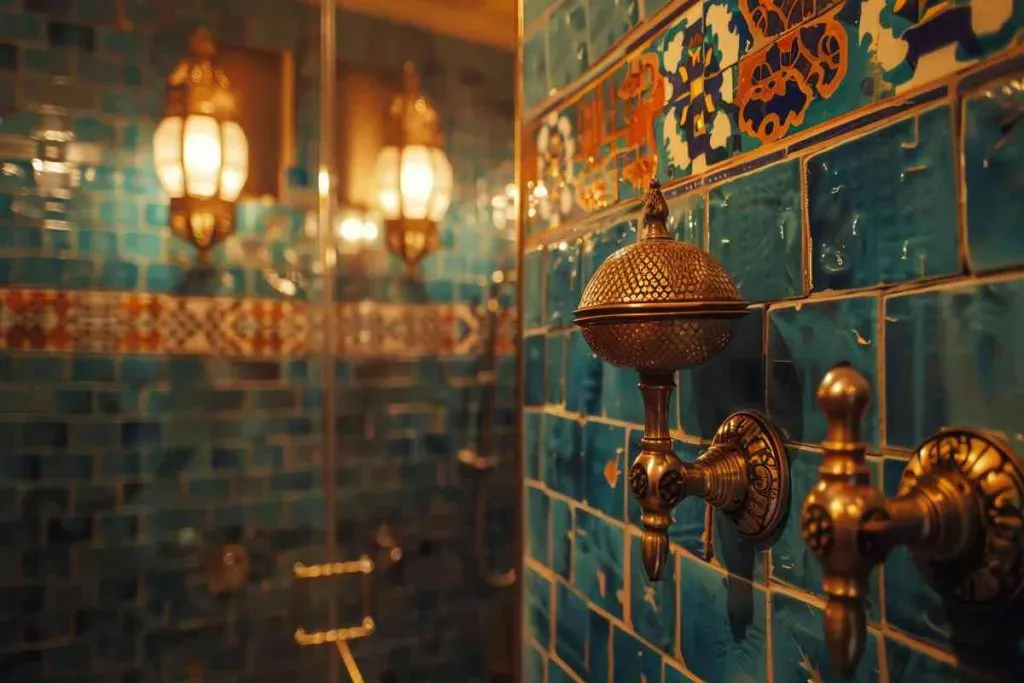
Traditional vs Modern Turkish Hammams reveal how a centuries-old ritual has evolved into a contemporary spa experience, highlighting how heritage and innovation coexist in spaces that still honor warmth, water, and ceremony. The Turkish bath is more than a spa ritual—it’s a cultural practice rooted in Ottoman sensibilities and hospitality, yet modern iterations weave privacy, efficiency, and curated treatments into the same framework of heat and steam. In traditional hammams, architectural grandeur and communal cleansing define the ritual, with heavy marble, domed ceilings, and guided sequences, while modern hammams respond to today’s guests with private rooms, customizable temperature controls, and modern hammam features such as climate-controlled environments. For visitors, understanding hammam etiquette helps you participate with respect, communicate with attendants about preferences, and navigate the social dynamics—from dress codes to tipping—so that the experience feels welcoming without compromising tradition. Whether you are drawn to ceremonial marble ambiance or the streamlined comfort of a contemporary space, the enduring elements of heat, humidity, cleansing, and renewal anchor the journey across centuries.
When describing these bathhouse experiences, people often use alternative terms such as classic Turkish baths, Ottoman-era bathhouses, or spa-like wellness centers that maintain the steam-filled ritual at their core. This LSILogic approach helps readers connect concepts like ceremonial bathing, steam rituals, and architectural grandeur by focusing on intent and atmosphere rather than brand names. In practice, a visit may begin with a hot room to soften skin, followed by exfoliation and massage—an arc that translates across both heritage and contemporary settings. Regardless of naming, the emphasis remains on cleansing, relaxation, and the social warmth embedded in Turkish bath culture.
Traditional vs Modern Turkish Hammams: A Comparative Overview
Traditional Turkish hammams evoke a ceremonial ambiance with marble slabs, domed ceilings, and warm, immersive steam. Visitors move through a sequence of spaces designed to regulate heat and humidity, a setting that invites social interaction as much as personal cleansing. In this context, the Turkish bath experience is as much about atmosphere and ritual as it is about exfoliation, massage, and a refreshing rinse. The Ottoman bath heritage lingers in the architecture and the emphasis on hospitality, making every visit feel like stepping into a living tradition.
Modern hammams preserve the core cleansing rituals but pair them with updated facilities that prioritize privacy, efficiency, and contemporary comfort. Expect better climate control, private treatment rooms, and services tailored to individual preferences, while the essence of ritual cleansing—steam, heat, and a foamy or soapy massage—remains intact. This blend creates a nuanced experience where traditional elements coexist with modern hammam features, enabling guests to choose how communal or private their Turkish bath experience should be.
Ottoman Bath Heritage and Its Influence on Contemporary Hammams
The Ottoman bath tradition laid the groundwork for the sanctified space of today’s hammams. Architectural elements such as domed ceilings, thick marble, and water channels shaped not only the physical experience but the cultural one as well, embedding ritual, cleanliness, and hospitality into everyday life. Visitors encounter a sense of history as they move through warm rooms, share a moment with attendants, and participate in time-honored practices that have been passed down through generations.
Even as many baths evolve, certain practices endure, reflecting the ongoing Turkish bath experience as a cultural ritual. The etiquette embedded in these spaces—how to greet staff, when to wait for guidance, and respectful behavior in shared areas—remains central. Modern interpretations honor this heritage by offering educational menus and staff-led explanations that connect contemporary spa life with Ottoman bath roots.
What to Expect in a Traditional Turkish Hammam: Rituals, Attire, and Social Space
In a traditional Turkish hammam, guests begin to sense the ritual’s cadence as heat rises and spaces transition from warm to hotter zones. A kese exfoliation and a foam massage performed by an attendant bookend cleansing with ceremonial intent, transforming a routine wash into a cultural moment. The attire—typically a pestemal or a towel, with modesty maintained in shared spaces—reflects a reverence for the ritual and a respect for fellow bathers.
The social dimension remains a hallmark of the traditional experience, often conducted in communal areas where conversations are hushed and the rhythm of the service is guided by attendants. While group experiences are common, private suites are sometimes available, preserving a balance between social warmth and personal comfort. Hammam etiquette—gentle behavior, appropriate dress, tipping norms, and patience with the flow of the ritual—helps ensure a respectful and restorative visit.
Modern Turkish Hammams: Convenience, Privacy, and Spa-Inspired Comfort
Modern hammams retain the cleansing core but present it through sleek design, private rooms, and climate-controlled environments that cater to a broader audience. The design emphasizes efficiency and comfort, often integrating spa features such as aromatherapy, enhanced lighting, and private treatment spaces. The result is a refined Turkish bath experience that feels contemporary while honoring the traditional sequence of heat, exfoliation, and massage.
Service flexibility is a key differentiator in modern settings, with options ranging from classic scrubs and massages to deep tissue therapies, herbal steam, and body wraps. These spaces may also differ in access policies, offering gender-specific hours or private appointments to suit individual preferences. By combining modern hammam features with timeless cleansing rituals, guests can enjoy privacy without sacrificing the essence of Turkish hospitality and ritual cleansing.
Maximizing Your Turkish Bath Experience: Preparation, Etiquette, and Aftercare
To get the most from a Turkish bath experience, arrive hydrated and prepared to engage with the menu of services. Many modern and traditional hammams offer a range of options, so choosing a package that aligns with your comfort level and goals—whether a brisk scrub or a full spa day—can enhance the overall experience. Understanding hammam etiquette ahead of time helps you participate more fully and minimizes disruption to others sharing the space.
Aftercare matters just as much as the ritual itself. Hydration, rest, and the opportunity to explore post-treatment products can extend the benefits of the cleansing and massage. If you’re unsure about the available services, asking staff for a service menu ensures you select treatments that fit your preferences, from a simple kese scrub to an elaborate spa package, while keeping in mind the privacy and flow of the space.
Frequently Asked Questions
What are the main differences between Traditional vs Modern Turkish Hammams in architecture and the overall Turkish bath experience?
Traditional vs Modern Turkish Hammams differ mainly in architecture and atmosphere. Traditional hammams emphasize Ottoman bath heritage with marble, domed ceilings, and communal spaces, delivering a ceremonial, social Turkish bath experience. Modern hammams retain the core cleansing steps but add privacy, climate control, and spa-style services, blending history with contemporary comfort.
How does hammam etiquette apply to Traditional vs Modern Turkish Hammams?
Hammam etiquette is important in both. In Traditional vs Modern Turkish Hammams you should wear a pestemal or modest wrap, respect shared versus private spaces, tip for services, and follow attendants’ guidance through the ritual to maintain a respectful, relaxed environment.
What should I expect during a Turkish bath experience when visiting a traditional hamam versus a modern hammam?
During a Turkish bath experience, expect warm rooms, a kese scrub, a foaming soap massage, and a rinse. Traditional settings often emphasize a ceremonial, social flow, while modern hammams typically offer private rooms, a menu of services, and flexible timings for a more individualized experience.
Do Ottoman bath heritage elements persist in modern hammam features?
Yes. Ottoman bath heritage informs the ritual’s structure and atmosphere in both Traditional and Modern Turkish Hammams, while modern hammam features add privacy, private treatment rooms, energy-efficient heating, and expanded spa options to suit contemporary guests.
Which is better for first-time visitors: Traditional vs Modern Turkish Hammams?
For first-time visitors, a modern hammam can provide a gentle introduction with clear service options and privacy. If you seek ceremonial atmosphere and architectural grandeur, Traditional Turkish Hammams offer a deeper cultural immersion and a richer sense of the Turkish bath experience.
| Aspect | Traditional Turkish Hammams | Modern Turkish Hammams | Notes |
|---|---|---|---|
| Purpose / Experience | Ceremonial, communal atmosphere with architecture grandeur; emphasis on legacy and social ritual. | Convenience, privacy, spa-like comfort with a focus on personal relaxation and efficiency. | Both aim for cleansing and renewal; traditional emphasizes ceremony, modern emphasizes comfort. |
| Environment / Architecture | Marble slabs, large domed room, social warmth; historic, sometimes shared spaces. | Sleeker aesthetics, private treatment rooms, climate control; often integrated with hotels or wellness centers. | Traditional favors public, ornate spaces; modern emphasizes privacy and controlled ambiance. |
| Core Ritual | Kese exfoliation; foamy soap massage by an attendant; ceremonial cleansing and social interaction. | Optional exfoliation options; gentler scrubs; massage may be included in service packages. | Ritual steps remain (heat, cleansing, rinse) but with modern adaptations and service variability. |
| Social Dynamics | Communal, often gender-separated hours or sections; some historic baths offer private suites. | Private appointments, private rooms, couples or family experiences; more emphasis on individualized space. | Traditional emphasizes communal warmth; modern prioritizes privacy and flexible social options. |
| Facilities & Design | Historic baths with expansive public areas; enduring architectural grandeur. | Private rooms, energy-efficient heating, wellness amenities (saunas, plunge pools) in integrated spa settings. | Design shifts from grandeur to efficiency and personal comfort without losing ritual essence. |
| Services & Pricing | Classic scrubs and massages; variable visibility of menu; price may reflect location and tradition. | Expanded spa menu (deep tissue, herbal steam, wraps); private options; pricing varies by location and package. | Expect a range of options; private vs shared experiences influence pricing and treatment variety. |
| Etiquette & Attire | Pestemal or nothing in private rooms; tipping customary; attendants guide the ritual flow. | Similar norms with privacy-focused policies; staff guidance and tipping common. | Respect personal space, observe staff directions, and follow local customs for attire and tipping. |
| What to Expect (Walkthrough) | Arrival/orientation; warm/hot rooms; scrub and foam; rinse; possible shared spaces; end with rest. | Arrival with menu overview; private spaces; climate-controlled rooms; may offer tea breaks. | Read service options in advance; ask about private rooms and etiquette for a smoother visit. |
| Choosing Between | Ceremonial atmosphere, architectural grandeur, social warmth; immersive cultural experience. | Privacy, convenience, and contemporary comfort; balanced service range. | First-time visitors may prefer modern; culture-seekers may opt for traditional settings. |
| Myths & Tips | Myth: Hammams are only for locals; reality: welcoming to travelers; attire varies by location. | Myth: You must be naked; reality: attire varies; follow staff guidance. | Tip: Hydration; ask for the menu to tailor the experience; follow hygiene and privacy norms. |