


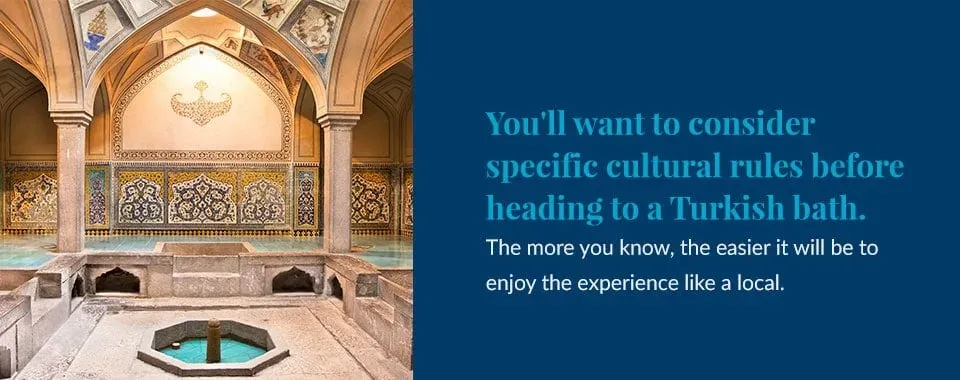
Turkish Bath Etiquette sets the tone for a serene, respectful visit, whether you’re wandering the marble corridors of Istanbul or savoring a contemporary spa hammam. The experience blends centuries of culture, enveloping heat, and mindful manners to help every guest feel at ease in the steam, the cleansing rituals, and the shared sense of quiet respect. Knowing the basics of hammam preparation can simplify transitions between spaces and help you maintain modesty. Choose a simple wrap such as a peshtemal towel that dries quickly and covers appropriately, while adhering to hammam etiquette rules to respect others and the ritual. With thoughtful preparation, steady hydration, and a mindful pace, you’ll glide through the chambered heat with confidence, comfort, and a deeper appreciation for this timeless cultural practice.
Beyond the literal term Turkish Bath Etiquette, this ancient spa tradition centers on heat, cleansing, and considerate interaction as a shared wellness ritual. Across regions—from historic Constantinople baths to modern urban hammams—the underlying courtesy remains about privacy, pace, and respectful sharing of space. A more neutral framing—bathhouse protocol, steam-room etiquette, and spa rituals—helps visitors focus on comfort, hygiene, and the sensory experience rather than rigid rules. If you’re after practical guidance, you can think in terms of what to wear and how to behave, or simply consult turkish bath experience tips provided by your venue. Using this LSI-informed approach makes the etiquette feel intuitive rather than rigid, inviting a calmer, more immersive encounter with heat and water.
Turkish Bath Etiquette 101: Respect, Space, and Quiet in the Hammam
Turkish Bath Etiquette isn’t just a list of rules; it’s a shared rhythm that helps every guest settle into steam, heat, and ritual cleansing with ease. When you step into a hammam, quiet politeness, mindful movement, and respect for spaces and staff set the tone for a calm, restorative visit and a sense of mutual care, guided by hammam etiquette rules.
Observe posted signs, greet attendants, and keep conversations soft to protect the tranquil ambience that makes these baths so soothing. In traditional or mixed spaces, follow staff directions about where to wrap, where to shower, and when to enter hot rooms, so everyone enjoys the cleansing rituals with dignity and comfort.
What to Wear to a Hammam: Modesty, Comfort, and the Right Hammam Attire
As you decide what to wear to a hammam, prioritize comfort and modesty. The peshtemal towel remains the most flexible option across many facilities, offering coverage in steamy rooms while drying quickly between rinses.
Hammam attire varies by location: some traditional hammams require towels and full body coverage, while others may allow light swimwear in private areas. Learning how to wrap a peshtemal towel around the waist and torso gives you secure coverage and freedom of movement in cleansing spaces.
The Peshtemal Towel: A Lightweight Companion for Heat, Humidity, and Mobility
The peshtemal towel is a versatile, lightweight companion designed for heat and humidity. Its woven fibers absorb moisture, stay cool to the touch, and dry rapidly, making it ideal for moving between hot rooms and comfortable lounges.
To use it well, wrap it around the hips or torso, tie a secure knot, and adjust as you go through exfoliation and cleansing rituals. A properly wrapped peshtemal towel supports modesty in high-heat areas while preserving freedom of movement.
Practical Hammam Comfort: Hydration, Hygiene, and Skin Care During Your Visit
turkish bath experience tips often begin with staying hydrated; drink water before you enter, during (if allowed), and after your session to help your body cope with heat.
Hygiene essentials: bring a kese or exfoliating mitt, a bar of mild soap, and a moisturizer for afterward. Following hygiene etiquette and avoiding lotions in communal spaces helps protect others and keeps floors safe, a practical example of hammam etiquette rules in action.
Global Hammam Experiences: Attire, Rules, and Rituals Across Regions
Across regions, hammam attire and rules adapt: Turkish, Moroccan, and modern spa settings each shape what to wear and how to behave. Knowing regional norms helps you decide what to wear to a hammam and what to expect from the hammam experience.
Whether you’re in Istanbul’s marble rooms or Marrakech’s sunlit baths, the core remains the same: approach with respect, maintain hygiene, and participate mindfully. Local etiquette rules guide interactions from where you wrap to how you speak, ensuring a respectful, memorable Turkish bath experience.
Frequently Asked Questions
What is Turkish Bath Etiquette and why does it matter for your hammam experience?
Turkish Bath Etiquette refers to the norms that help everyone enjoy the hammam with comfort, privacy, and respect. It includes dressing modestly, staying mindful of heat and humidity, speaking softly, and following staff directions. Understanding these etiquette standards enhances relaxation and prevents discomfort, letting you focus on the steam, cleansing rituals, and shared experience.
What to wear to a hammam and how does hammam attire vary by area?
For what to wear to a hammam, modesty and comfort are key. The common option is a peshtemal towel wrapped around the body, though some facilities may allow swimwear in private spaces. Hammam attire guidelines can vary by location, so it’s best to check with staff on arrival and adapt as needed.
How does the peshtemal towel fit into Turkish Bath Etiquette and how should I wrap it?
The peshtemal towel is central to Turkish Bath Etiquette, providing modest coverage and quick-drying practicality. Start with a larger peshtemal wrapped around the waist and torso, adjusting for comfort in hot rooms and during cleansing rituals. Keep it wrapped when moving between sections and use a washcloth or kese for cleansing as you prefer.
What are the hammam etiquette rules for behavior, privacy, and hygiene?
Hammam etiquette rules emphasize quiet, respect, and hygiene. Arrive on time, speak softly, and follow staff directions. Respect personal space in gender-segregated areas, shower before entering hot rooms, keep the wrap in place in communal areas, and avoid touching others without consent; photography is usually prohibited.
What are Turkish bath experience tips to maximize comfort and respect during your visit?
Turkish bath experience tips include staying hydrated, pacing your session, and using kese or a washcloth as desired. Wear a peshtemal, wrap modestly, and move carefully in steam rooms. Afterward, rinse, cool down, moisturize, and thank attendants to close the experience on a respectful note.
| Aspect | Key Points |
|---|---|
| What Turkish Bath Etiquette is and Why It Matters | Etiquette comprises norms and polite behaviors to ensure a respectful hammam experience; varies by country and facility; core: respect, presentation, heat, moisture, hygiene. |
| What to Wear in a Hammam | Modesty and comfort are prioritized; peshtemal wraps are common; swimsuits may be allowed in some places; hair coverings may be required in some sections. |
| Peshtemal vs. Swimwear | Peshtemal towels are lightweight, quick-drying, and provide modesty and flexibility in hot rooms; adjust wrap as needed; wear swimwear only if allowed. |
| Footwear, Hygiene, and Gear | Bring sandals, a small bag; go barefoot in steam rooms if comfortable; remove jewelry to avoid burns or snags; vary by area. |
| What to Wear in Different Areas | Hair coverings may be required in male-only or female-only sections; in mixed spaces follow staff directions; dress modestly and comfortably. |
| Practical Tips for Comfort, Hygiene, and Convenience | Hydration; bring kese (exfoliating mitt), soap, and moisturizer; wash before entering hot rooms; rinse and cool down after; wipe with peshtemal when moving between spaces. |
| Etiquette Rules to Follow | Arrive on time; speak quietly; respect personal space; don’t touch others without consent; shower before entering hot rooms; avoid applying lotions in communal areas. |
| Understanding Variations Around the World | Differences by country and facility; Turkey emphasizes kese and kurna; North Africa may have longer steam cycles; modern spas provide clear attire guidelines. |
| Step-by-Step How-To for Your First Visit | Check rules; pack peshtemal, sandals, kese; arrive prepared; enter quietly; engage mindfully; cool down and rehydrate; leave with gratitude. |
| Common Misconceptions | Nudity isn’t mandatory; attire isn’t the sole measure of etiquette; hammam is a holistic experience combining heat, cleansing, exfoliation, and social norms. |
| Aftercare | Cool down, rinse, moisturize; hydrate; relax in a lounge; keep peshtemal handy for a quick wrap. |
| Final Thoughts | Attitude matters as much as attire; etiquette elevates comfort, privacy, and enjoyment, linking you to centuries of tradition within a modern spa. |
Summary
Turkish Bath Etiquette, bu deneyimin saygılı ve rahat geçmesini sağlayan temel prensipleri tanımlayan bir çerçevedir. Hamam kültürü, temizliğe, mahremiyete ve toplu alanlarda başkalarına saygı gösterilmesini vurgular. Doğru kıyafet genelde peshtemal wrap ile sağlanır, hijyen ve davranışlar ise deneyimin konforunu ve mahremiyetini güçlendirir. Farklı bölgelerde uygulama şekilleri değişse de temel prensipler temizliğe, saygıya ve ısıya karşı dikkatli davranmaya odaklanmak temel prensiptir. Sonuç olarak, Turkish Bath Etiquette sayesinde hamam deneyimi, geleneksel pratiklerin sıcak ve modern spa ortamlarında uyumlu bir şekilde yaşanmasına olanak tanır.