


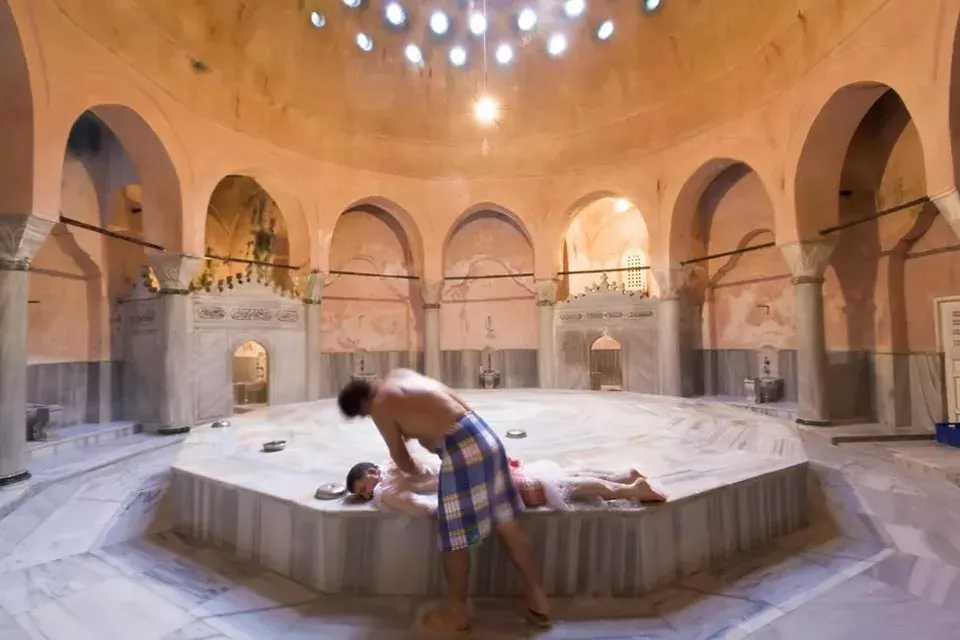
The Turkish bath experience invites you into a world where heat, humidity, and hospitality fuse into a mindful ritual, inviting slow breaths, quiet anticipation, and a sense of ceremonial calm from the moment you step inside. From the gentle acclimation in a warm room to the anticipation of hot spaces, you follow a sequence known as hammam steps that guide your body through temperature and rhythm, a process designed to ease you gently and allow the air to carry the faint scent of olive oil. Across centuries, this hammam ritual blends traditional technique with a sense of quiet ceremony, turning cleansing into a soothing, meditative practice, and participants often describe it as a rite of pause that restores posture, breath, and calm. Skilled attendants and careful pacing ensure you move through heat, foam, and exfoliation with comfort, while respectful etiquette shapes the social atmosphere, as they communicate about pressure, timing, and preferences to tailor the experience to your body and mood. Whether you visit a famed Ottoman-era bath or a modern spa, embracing the discipline of this ritual can leave you feeling refreshed, balanced, and connected to a long-running wellness heritage, with the routine remaining deeply personal and approachable for curious first-timers.
Viewed through the lens of steam-powered wellness, this ancient Turkish spa practice unfolds as a multi-room journey rather than a single treatment. Think of a centuries-old public bath culture where warmth, moisture, and careful exfoliation create a holistic cleansing ritual. In this warm ritual, attendants guide guests through a structured sequence—from hot rooms to lathering foams and delicate massage—mirroring the concept of a traditional hammam routine. The terminology shifts from spa jargon to evocative phrases like traditional steam bath, hammam culture, and Anatolian wellness heritage, helping readers connect with the broader lore.
1. Turkish Bath Experience: How Hammam Steps Shape Your Ritual
The Turkish bath experience begins with a calm entry into the warm space, where the concept of hammam steps sets the pace for the entire visit. Acclimating in a gradual manner helps the body adapt to humidity and heat, opening pores and preparing the skin for deeper cleansing. By recognizing and following the hammam steps, you transform a routine cleanse into a mindful ritual that honors tradition and personal comfort.
As you move through the spaces, the environment—soft lighting, soothing scents, and the steady rhythm of attendants—guides your breathing and mindset. The guided routine becomes a form of self-care, inviting you to slow down, listen to your body, and participate respectfully in the Turkish bath experience. The first impression of the hammam steps often decides how relaxed and receptive you will feel for the cleansing and exfoliating stages to come.
2. The Steam and Scrub Routine: Navigating Heat, Humidity, and Exfoliation
In the hot room, the steam and humidity create an enveloping warmth that loosens dirt and primes the skin for deeper cleansing. This core part of the steam and scrub routine invites you to settle into the heat, stay hydrated, and allow your pores to open. The ambience supports a meditative mood, making it easier to embrace the cleansing process as a form of wellness rather than just a spa treatment.
Exfoliation with a kese (loofah) and traditional soap is the defining moment of the hammam ritual for many guests. The brisk, circular scrubbing removes the top layer of dead skin, revealing softer tissue beneath and preparing the skin for a soothing foam massage. Communicate sensitive areas or preferred pressure to ensure the experience remains comfortable and restorative.
3. Exfoliation to Nourishment: Foam Massage and the Final Cleansing
Following exfoliation, attendants apply a generous foam massage that smooths the skin and promotes circulation. The foam acts as a gentle abrasive, working together with the kese to lift impurities while easing tension in the muscles. This stage of the hammam ritual is often the most relaxing, offering a rhythmic, soothing sequence that signals a transition from intense heat to refreshing cool air.
Rinsing, oiling, and hydration wrap up the cleansing process, sealing in moisture and nourishing the skin. A light oil or moisturizer helps restore elasticity, and a brief massage can further ease any stiffness from the session. As you re-enter the cooler environment, the body typically breathes easier, leaving you with a renewed sense of calm and physical balance.
4. Etiquette and Comfort: Practicing Turkish Bath Etiquette in Shared Spaces
Hammam etiquette emphasizes gentleness, consent, and mutual respect in shared spaces. Understanding the unwritten norms—speaking softly, following staff guidance, and dressing modestly—helps ensure that the experience remains comfortable for everyone. Clear communication with attendants about pressure, sensitivities, and any medical considerations is a key part of this etiquette.
Practical tips for comfort include hydrating before and after the session, using wraps or towels as required by the facility, and respecting quiet zones. Maintaining a respectful demeanor, especially in communal areas, preserves the tranquil atmosphere that defines the Turkish bath experience. By observing hammam etiquette, you contribute to a restorative environment where the focus stays on wellbeing and calm.
5. Bringing the Hammam Home: At-Home Practices and Health Benefits
If travel or access to a traditional hammam isn’t possible, you can recreate elements of this experience at home by adapting the core steps of the hammam ritual. Begin with a warm shower to ease into moisture-rich steam, followed by gentle exfoliation with a natural soap and loofah. A hydrating body oil or moisturizer completes the post-exfoliation care, approximating the nourishing effect of a professional session.
A well-planned at-home routine supports broader health benefits, including improved circulation and reduced stress. For safety, start slowly, hydrate, and adjust pressure or skip steps as needed. By consciously applying the steam, cleanse, and nourish sequence, you can enjoy a personal Turkish bath experience that aligns with your space, budget, and comfort level.
Frequently Asked Questions
What is the Turkish bath experience and what are the typical hammam steps involved?
The Turkish bath experience is a structured ritual that blends heat, humidity, cleansing, and relaxation. Typical hammam steps include acclimating in a warm space, stepping into the hot room to sweat, exfoliating with a kese, a foam massage, and a final rinse with oil or moisturizer. While details vary by facility, the sequence aims to cleanse the skin, improve circulation, and foster renewal.
How does the steam and scrub routine fit into the hammam ritual?
In the steam and scrub routine, the heat and humidity soften skin and open pores, making exfoliation with a kese and traditional soap effective. The scrub removes dead skin, followed by a foaming massage to cleanse and relax the body, completing the core hammam ritual.
What is proper hammam etiquette for first-time visitors?
Hammam etiquette centers on gentleness, consent, and respect in shared spaces. Communicate your comfort level and preferred pressure, dress modestly or use provided wraps, hydrate before and after, keep noise to a minimum, and follow staff guidance on tipping and privacy to ensure a respectful Turkish bath etiquette experience.
What safety and comfort tips should I follow during the hammam steps of a Turkish bath experience?
To stay safe and comfortable, start slowly, stay hydrated, and listen to your body in the hot room. If you have skin conditions, recent surgeries, pregnancy, or vascular or cardiovascular concerns, consult a healthcare professional and consider shorter sessions or lighter exfoliation.
Can I recreate a Turkish bath experience at home, including the steam and scrub routine and hammam ritual?
Yes. You can emulate the Turkish bath experience at home by combining a warm shower, steam, gentle exfoliation with a loofah or kese and natural soap, a foam massage, and hydration, plus a calm, spa-like ambiance to reflect the hammam ritual.
| Key Point | Details |
|---|---|
| What is the Turkish bath experience? | A structured sequence of rooms and treatments designed to open pores, cleanse the skin, and promote relaxation; heat and humidity dominate, followed by cleansing, exfoliation, foam massage, and nourishment; a guided ritual rooted in tradition. |
| The Hammam Steps overview? | A typical progression: acclimate in a warm space; enter a hotter room to sweat; exfoliate with kese and black soap; foam massage; rinse and moisturize. |
| Step 1: Arrival and acclimation | Guests wrap in a towel or use provided wraps; first space is warm to acclimate the body and begin relaxation. |
| Step 2: Steam and humidity | Hot room with high humidity where sweating occurs; stay 10–20 minutes or as comfort allows; water splash can regulate temperature. |
| Step 3: Exfoliation with kese | A kese or loofah with traditional black soap or olive oil soap; scrubbing in circular motions to remove dead skin; conducted by attendant or guest as permitted. |
| Step 4: Foam massage and cleansing | Generous foam and massage to remove residual grime; rhythmic strokes to promote relaxation and lymphatic flow. |
| Step 5: Rinse, oil, and hydration | Rinse off foam, apply light oil or moisturizer, and hydrate; some hammams offer a brief post massage or cooling rinse. |
| The Ritual and Atmosphere | Cleansing as a mindful ritual; atmosphere includes soft light and scents; social dimension with shared spaces or private options; invites calm and presence. |
| Etiquette and Comfort | Respectful communication with attendants, modest dress guidelines, maintain quiet demeanor, hydrate, and follow facility rules to protect comfort and dignity for all. |
| Health considerations and safety tips | Consult a healthcare professional if you have skin conditions, recent surgeries or pregnancy; those with vascular issues or high blood pressure should approach with caution; listen to your body and shorten sessions as needed. |
| At Home Hammam and Adaptations | If travel is not possible, recreate elements at home with warm shower, loofah and natural soap, hydrate, and create a soothing ambiance; contrast showers can mimic temperature shifts. |
| The Beneficial Afterglow | Heat opens pores, exfoliation and massage boost circulation; post ritual glow can last hours and even days as stress and tension ease. |
| Common Misconceptions | Hammams adapt to comfort; attendants adjust pressure and pace; it is not a competition but a guided routine focused on wellbeing; ask for a lighter touch if needed. |
Summary
Turkish bath experience, köklü bir kültürel pratiğin rahatlatıcı özüdür ve cilt, nefes ve zihin üzerinde dengeleyici bir etki yaratır. Bu yazı, hammamın temel aşamalarını, ortamın atmosferini ve ziyaretçilerin uyması gereken adabı adım adım betimleyerek, modern yaşamın içinde nasıl bir yenilenme sağlayabildiğini anlatır. Sıcaklık ve nem arasındaki geçişler, kese ile nazik peeling, köpük masajı ve son yağlama ile bir araya gelerek bedeni sakinleştirir, dolaşımı destekler ve zihin–beden bütünlüğünü güçlendirir. Evde de aynı temel prensipleri koruyarak benzer bir deneyim elde etmek mümkündür; uygun bir ortam, dikkatli hareketler ve bol su ile kendi temizlik ve iyileşme ritminizi yaratabilirsiniz. Sonuç olarak Turkish bath experience, tarihsel köklerini modern wellness pratikleriyle harmanlayan, ziyaretçiye kendini şımartma ve yeniden bağ kurma fırsatı sunan bir meditasyon ve bakımdır.