


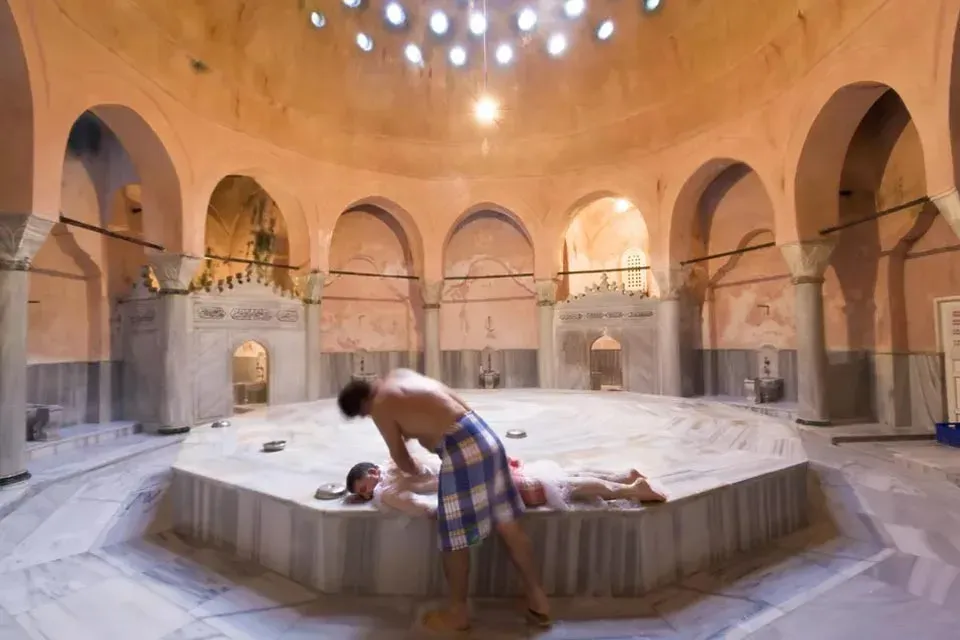
Turkish bath experiences invite travelers into a world where steam, ritual, and hospitality mingle to create a memorable spa journey. From the marble-clad walls of historic hammams to contemporary spa adaptations, the core idea remains the same: unwind, cleanse, and savor the sense of Turkish bath culture that has shaped hospitality for centuries. The cleansing ritual, featuring steaming, kese scrubs, and massages, delivers traditional Turkish bath benefits and a hammam experience that extend to body and mind. If you’re planning your visit, this guide highlights how to visit a hammam, and where to find the best hammams around the world. Whether you seek a historic rite or a modern spa escape, Turkish bath experiences offer a restorative, social ritual that resonates across cultures.
Seen through a broader lens, the Turkish bath tradition is a steam-bathing ritual that blends heat, hygiene, and hospitality into a distinctive social practice. Across regions, this bathhouse culture is expressed through domed ceilings, heated rooms, and ceremonial scrubs, all designed to promote cleansing and mindful pause. In modern spa contexts, you might hear terms like hammam-inspired spa, ritual bath, or steam room sanctuary, yet the core aim remains body renewal and mental calm. Travel guides often highlight historic bathhouses alongside contemporary wellness centers, illustrating how the ancient ritual has adapted while preserving its soul. As you prepare your itinerary, use these terms—steam bathing, bathhouse ritual, hammam tradition, and wellness retreat—to navigate options and discover how to visit a hammam in a way that suits your pace and preferences.
Turkish Bath Experiences Around the World: Tradition Meets Modern Wellness
Turkish bath experiences have traveled far beyond their Istanbul origins, weaving relaxation, culture, and ritual into spa days and wellness itineraries across continents. Whether stepping into a marble-walled hammam in a historic alley or enjoying a sleek, contemporary spa adaptation in a cosmopolitan hotel, the core idea remains the same: unwind, cleanse, and savor a space where tradition and wellness converge. The hammam experience blends architecture, ritual, and sensory immersion, inviting travelers to slow down and breathe in the steam, fragrances, and quiet hum of conversation that accompany a cleansing session.
From the first warm room to the final restorative rest, this journey is not just about cleansing the skin but about entering a social ritual that connects guests with centuries of hospitality. As you seek the best hammams around the world, you’ll notice how venues balance authenticity with modern comforts—private changing areas, careful masseurs, and thoughtful design that respects the past while embracing today’s wellness expectations. Turkish bath experiences thus become a passport to culture as much as relaxation, offering each traveler a doorway into a shared human tradition.
The Hammam Experience: Ritual Steps, Steam, and Renewal
At the heart of a hammam experience is a carefully choreographed sequence that guides the body from warmth to heat, cleansing, and quiet reflection. Visitors typically begin in a warm room to acclimate, proceed to a hot room for steam and perspiration, and finish with a cooler space for massage, rinsing, and rest. This progression is designed to optimize circulation, loosen muscles, and open the senses to the ritual’s fragrances and textures.
Along the way, guests often receive a kese, a traditional soap-based scrub, and a full-body massage that completes the spa ritual with muscle relaxation and lymphatic stimulation. The descriptive beauty of the hammam experience lies in how it blends physical cleansing with mental calm, creating a holistic wellness moment where body and mind recalibrate together after contact with heat, foam, and massage.
Turkish Bath Culture: Architecture, Hospitality, and Shared Ceremony
Turkish bath culture dates back to Byzantine and Ottoman times, evolving into a communal space where hygiene, conversation, and rejuvenation are central. The architectural grandeur—carved marble, domed ceilings, mosaic tiles, and atmospheric steam—serves not only as a backdrop but as an instrument that enhances the sensory experience. In every corner, you feel the sense of ritual and hospitality that defines this culture, inviting locals and travelers to linger, chat, and share in the purification process.
As you encounter the hammam, you’ll notice how the ceremony fosters social connection and quiet contemplation side by side. Whether in a historic bathhouse with centuries of stories etched into the walls or a modern spa that mirrors traditional rituals with contemporary touches, the essence remains constant: steam, cleansing, and a moment of communal stillness. This is why the Turkish bath culture is often described as more than a service—it is a culturally resonant practice that nourishes both body and community.
Best Hammams Around the World: Historic Grandeur and Modern Luxury
Travelers seeking the best hammams around the world discover a spectrum—from venerable Istanbul landmarks to state-of-the-art spa suites in global capitals. Historic Istanbul classics offer a palpable sense of history, where centuries of marble, steam, and ritual come together in spaces that feel like living museums. These venues celebrate the purity of the ritual while layering on modern comforts to welcome today’s travelers.
Beyond Turkey, cities in Europe, North Africa, and the Middle East now host hammams that preserve the tradition while offering private suites, skilled masseurs, and refined ambiances. The best hammams around the world often strike a balance between authentic rituals and contemporary hospitality, ensuring a transformative experience whether you’re there for a short visit or a full wellness retreat.
Traditional Turkish Bath Benefits: Physical Renewal and Mental Clarity
The benefits of a traditional Turkish bath extend beyond skin exfoliation and perspiration. Regular hammam visits can improve circulation, ease muscle tension, and promote a deeper sense of relaxation that persists after you step out of the steam. Many travelers report a renewed glow to their skin and a calmer mental state, as the ritual slows the pace of life and invites mindful breathing.
In addition to the physiological advantages, the social and psychological dimensions of the experience contribute to overall well-being. The ritual provides a structured pause in daily activity, offering time for reflection, conversation, and a slower, more deliberate pace. The traditional Turkish bath benefits thus emerge not only from the cleansing process but from the sense of ritual, community, and quiet that accompanies the session.
How to Visit a Hammam: Planning, Etiquette, and Practical Tips
Knowing how to visit a hammam helps you maximize the experience. Start by researching venues that match your preferred vibe—historic, immersive spaces or modern, private spa environments. Check the sequence of the ritual, available services, and any gender-specific policies to ensure comfort and respect for local practices. A well-chosen hammam can become a highlight of your wellness itinerary.
Practical planning matters: wear comfortable swimwear or bring a towel for modesty, arrive hydrated, and allocate time for a complete cycle from steam to massage to rest. If you’re unsure about etiquette, observe locals or ask staff about nudity policies and privacy options. Knowing how to visit a hammam ensures you participate respectfully, enjoy the ceremonial rhythm, and derive maximum relaxation and cultural insight from the experience.
Frequently Asked Questions
What is a typical hammam experience and how does it reflect Turkish bath culture?
A traditional hammam experience begins in a warm room to acclimate the body, moves to a hotter room for sweating and cleansing, and finishes in a cooler rest area. This sequence, central to Turkish bath culture, blends physical cleansing with social ritual, often including a kese scrub and a massage, while allowing for private or communal spaces depending on the venue. To make the most of it, wear comfortable attire or a towel, stay hydrated, and follow staff guidance to respect the pace of the ritual.
How can travelers find the best hammams around the world and what makes a Turkish bath experience memorable?
To discover the best hammams around the world, look for venues that balance authentic ritual with modern comfort—think skilled masseurs, clean facilities, and options for privacy. A memorable Turkish bath experience combines authentic steam, traditional cleansing, and a soothing massage with thoughtful amenities, whether in historic Istanbul hammams or contemporary spa settings in European cities. Read reviews, compare services included (scrub, oils, rest areas), and consider the vibe you want—historic immersion or polished luxury.
What are the traditional Turkish bath benefits and how do they compare to modern spa rituals?
Traditional Turkish bath benefits include improved circulation, reduced muscle tension, exfoliated skin with a renewed glow, and a clearer, more relaxed mind. The ritual of steam, scrub, rinse, and massage offers a holistic wellness experience that complements modern spa rituals by emphasizing mindful pacing, social warmth, and architectural ambiance. Expect a combination of physical cleansing and mental refreshment that many travelers find uniquely restorative.
How to visit a hammam: practical steps for a respectful and comfortable Turkish bath experience?
How to visit a hammam: plan ahead by researching the venue’s layout and policies, choose a time when crowds are lighter, and decide on shared versus private spaces. Bring essentials like a towel, sandals, and a change of clothes, hydrate before and after, and observe local etiquette—nudity or modest attire varies by venue. If in doubt, ask staff or observe locals to ensure a respectful, comfortable Turkish bath experience.
What is the ritual sequence in a Turkish bath experience and how does it embody Turkish bath culture?
The ritual sequence typically follows steam in a warm room, exposure to hotter rooms for cleansing, a kese scrub and rinse, a massage, and a final rest. This progression embodies Turkish bath culture by combining physical cleansing with hospitality, ritual, and social connection within a timeless architectural setting. Whether in a historic Istanbul hammam or a modern spa, the core elements—steam, cleansing, massage, and rest—remain consistent and deeply restorative.
| Key Point | Description |
|---|---|
| What is a Turkish bath experience? | A hammam is a cleansing ritual conducted in progressively hotter rooms, often including a kese (soap-based scrub) and a massage. It blends physical cleansing with mental calm, creating a holistic wellness experience. |
| Core elements | Steam, cleansing, massage, and rest are the core components, enhanced by the hammam’s architecture and ritual that heighten the sensory experience. |
| History and culture | Dating back to Byzantine and Ottoman times, hammams function as communal spaces that emphasize hospitality, conversation, and rejuvenation, with architecture (marble, domes, mosaics) playing a key role. |
| Experience flow | The sequence typically follows warm room → hot room → cool-down or rest area, with steam, scrub, rinse, massage, and social time. |
| Benefits | Improved circulation, eased muscle tension, exfoliated skin, and a sense of mental refreshment and calm. |
| Preparation & etiquette | Wear appropriate attire (swimwear or towel), bring flip-flops, stay hydrated, and respect local nudity and pace; etiquette varies by venue. |
| Global options | Historic hammams in places like Istanbul coexist with modern spa adaptations worldwide, offering private suites, high-end masseurs, and contemporary comfort. |
| Planning & choosing | Consider atmosphere and privacy, know what’s included (scrub, massage, oils), and plan duration and any add-ons like tea or meals. |
| Quick action steps | Pick vibe, check privacy options, confirm inclusions, decide duration, and plan a post-session activity. |
Summary
Turkish bath experiences, binlerce yıldır süregelen bir kültürü derinlemesine deneyimleten özel bir ritüeldir ve bu yazı, bu deneyimin ana unsurlarını betimler. Bir hammam ziyareti, buharın çevreyi sarmaladığı bir odadan diğerine geçişi, kese ve masajla tamamlanan bütünsel bir temizlenme sürecidir; ardından dinlenme alanında sosyal etkileşim ve içsel sakinlik gelir. Geleneksel mimari, mahremiyet ve misafirperverliğin birleştiği bu deneyim, sadece fiziksel temizliğin ötesine geçer ve zihin, beden ve ruhu uyumlu bir şekilde yeniden dengelemeyi amaçlar. Dünyanın dört bir yanındaki hammamlar, tarihi ve modern yorumlarıyla bu ritüeli sürdürürken her ziyaretçiye benzersiz bir atmosfer sunar. Sonuç olarak, Turkish bath experiences evrensel temel öğeleri—buhar, temizlenme, masaj ve dinlenme—korurken ziyaretçiyi yeniden bağ kurmaya, yavaşlamaya ve kendini yenilenmiş hissetmeye davet eder.