


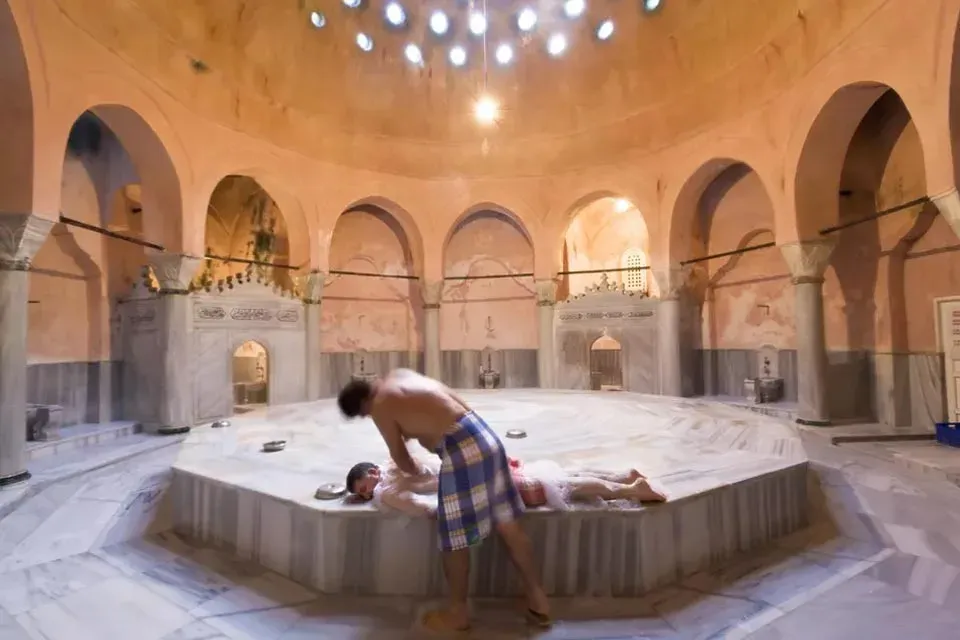
Turkish bath traditions stand as a timeless ritual of cleansing, culture, and connection that has shaped city life, architecture, and hospitality for generations. In grand marble settings, travelers and locals alike gather for a shared moment of renewal, a thread that echoes hammam history and invites reflection for curious visitors seeking cultural insight. This guide explores hammam rituals in practical terms and offers insights on how to visit a hammam, from etiquette to preparation, wardrobe, and respectful communication. Beyond steam and soap, the experience delivers tangible benefits—relaxed muscles, improved circulation, and a calmer mind—that keep the Turkish bath enduring in the modern wellness scene and inspire renewed social connection. Whether you are discovering a centuries-old bathhouse or a contemporary spa, this descriptive overview invites curiosity, respect, and a renewed appreciation for communal hospitality across cultures and generations, and in peaceful spaces, the senses adapt and the experience lingers long after leaving.
Beyond the distinct name, the concept travels under several labels: hammam, bathhouse, steam room, or ritual bath. These thermal spaces share a focus on warmth, cleansing, and social exchange, weaving history into the fabric of daily wellness. For visitors, the journey involves appreciating architecture, etiquette, and the quiet pace that accompanies steam, marble, and massage in many cultures. Approach any visit with curiosity, asking about room order, dress code, and available treatments to ensure a respectful, immersive experience. In short, whether you call it a hammam or a steam bath, the practice centers on care, hospitality, and a restorative pause from modern life.
Origins and hammam history: Tracing the roots of the Turkish bath
From ancient bathhouses in the Roman and Byzantine world to the refined marble sanctuaries of the Ottoman era, hammam history reveals a continuous thread of cleansing and culture. The Turkish bath emerged as a central space where architecture—warmed marble, sequential rooms, and domed ceilings—guided body and mind through transformation. This history highlights the blend of purification with social interaction, making the hammam more than a bath; it is a ceremonial space that welcomes neighbors, travelers, and families into a shared practice of hospitality.
Today, modern spa facilities adapt to contemporary comforts, yet the language of hammam history remains visible: domed skylights, the sequence from warm to hot to cool rooms, and a ritual pace that invites reflection. Public baths, mosques, and intimate private spas preserve the tradition, letting visitors connect with centuries of custom. The Turkish bath experience continues as living heritage, offering a quiet, dignified space for transformation through heat, water, and mindful presence.
Hammam rituals: The step-by-step ceremony of warmth, steam, and cleansing
Hammam rituals unfold in a defined sequence: starting with warmth and preparation in ılıklık, moving through hararet and steam, then to kese exfoliation with foam. The ritual sequence is designed not only to cleanse but to ease the body into heat, loosen muscles, and slow the senses. Guests typically wear a pestemal and gradually step through progressively warmer rooms in a calm, quiet atmosphere.
The cleansing phase with kese, followed by the warm foam massage, and a final massage deepen relaxation and renewal. Etiquette—modesty, soft conversation, and respect for others’ space—runs through the hammam rituals. The sensory cues—the scent of soap, the murmured voices, the glow of filtered light—combine to create a distinct Turkish bath experience that feels ceremonial rather than hurried.
Hammam benefits: Physical rejuvenation, relaxation, and holistic well-being
The hammam benefits include improved circulation, eased muscle tension, and gentle detoxification through sweating in a heat-rich environment. Exfoliation reveals fresher skin and helps improve texture, while steady warmth can ease joint stiffness and promote a sense of physical renewal.
Beyond the body, many seekers report better sleep, reduced stress, and a sense of mental clarity after a session. The humid air can ease breathing and support relaxation; as with any wellness practice, hydration and listening to your body are key, and individuals should adjust or skip sessions if pregnant, feverish, or dealing with skin conditions.
How to visit a hammam: Practical tips for travelers
How to visit a hammam: Practical tips for travelers. Plan ahead by researching hours, whether sections are gender-specific, and the facility’s etiquette. Pack a pestemal or towel, a bottle of water, and any soap or toiletries if not provided. Arrive clean, remove jewelry, and be prepared for a wet, steamy environment with slippery floors.
During a typical visit you’ll move through warm rooms, receive cleansing with kese, and may enjoy a massage from a staff member. Communicate openly about exfoliation intensity, oil choices, or sensitivities, and follow local etiquette regarding modesty and space. By planning ahead, you’ll maximize comfort and safety while experiencing the traditional ritual in a respectful, modern setting.
The Turkish bath experience today: Architecture, diversity, and global influence
The Turkish bath experience today blends historic architecture with modern wellness. In iconic cities like Istanbul and Cappadocia, centuries-old bathhouses pair marble grandeur with contemporary spa tech, offering hot rooms, cool plunges, and aromatherapy that honor hammam traditions while catering to today’s travelers.
Across the globe, hammam-inspired spaces adapt to local tastes, yet the core sequence—steam, cleansing, and touch—remains. Visitors can choose private rooms or guided tours, while architects and therapists preserve the sense of hospitality and social warmth that defines the Turkish bath experience, making it a universal pause in a busy itinerary.
Frequently Asked Questions
What is hammam history and how did the Turkish bath originate?
The hammam’s history blends Roman, Byzantine, and Persian influences, and the Turkish bath emerged during the Ottoman era as a refined public space for cleansing, socializing, and hospitality. Its architecture typically features a sequence of progressively warmer rooms with marble surfaces and domed ceilings designed for transformation through heat. Today, hammam history informs both historic bathhouses and modern hammams, preserving the ritual’s essence while embracing contemporary comfort.
What are hammam rituals in a Turkish bath experience?
In a Turkish bath experience, the rituals usually unfold in stages: a warm preparation in ilıklık, then steam and heat in the hararet room, followed by cleansing with a kese exfoliation and foam, and finally a massage with moisturization. Etiquette emphasizes modesty, quiet conversation, and respect for others’ space, with pestemal towels commonly used. These hammam rituals create a sensory, meditative sequence that defines the Turkish bath experience.
What are the hammam benefits of a Turkish bath experience?
The hammam benefits include improved circulation, relaxed muscles, and skin renewal through exfoliation and steam. The heat and humidity can support respiratory ease and promote relaxation, potentially aiding sleep and reducing stress. As with any wellness practice, benefits vary by person, so stay hydrated and listen to your body, especially if you’re pregnant, have a fever, or skin conditions.
How to visit a hammam: practical tips for your Turkish bath visit?
How to visit a hammam starts with researching etiquette and hours, and knowing whether sections are gender-specific. Bring a pestemal and water, and check if the facility provides soap or robes. Arrive modestly dressed, remove jewelry to avoid damage, wear non-slip footwear, and communicate any sensitivities to the attendant. Hydration and clear expectations help ensure a respectful and enjoyable Turkish bath experience.
How does the Turkish bath experience reflect hammam history and rituals?
The Turkish bath experience reflects hammam history by preserving the core ritual sequence of warmth, steam, cleansing, and massage that has defined hammam rituals for centuries. Historic hammam architecture and social etiquette continue to shape modern facilities, offering a ceremonial pause that honors hammam history while inviting travelers and locals to engage with the Turkish bath experience.
| Key Point | Details |
|---|---|
| Origins and history | The Turkish bath (hammam) originated in the Mediterranean and Near Eastern wellness tradition, refined within the Ottoman Empire. Its architecture—series of warmer rooms, marble surfaces, and domed ceilings—was designed for cleansing, social interaction, and hospitality. Today, modern spa facilities preserve hammam history while adding comfort and accessibility. |
| The ritual sequence | Typical experience unfolds in distinct phases: ılıklık (warmth and preparation) to acclimate; hararet (steam and heat) to loosen muscles; kese (exfoliation) with foam for cleansing; massage and moisturization; and etiquette to respect others’ space and modesty. |
| Benefits | Physically, heat and steam improve circulation, relax muscles, and aid detoxification; exfoliation enhances skin texture and glow; wellness benefits include better sleep and reduced stress. Steam can support respiratory ease. Hydration and listening to the body are important precautions. |
| Variations and experiences | Regional practices vary in intensity and style. Some hammams emphasize vigorous exfoliation, others slow, meditative steam. Modern facilities may include aromatherapy, hydro-massage, and beauty treatments while preserving core ritual elements. |
| Practical tips for travelers | Research etiquette and hours; bring a pestemal or towel and water; arrive clean; remove jewelry; wear shoes with grip; hydrate; ask attendants if unsure about procedures. |
| Global footprint and myths | The Turkish bath has influenced wellness spaces worldwide. Authentic hammams vary by city, and facilities may differ in setup. Myths are debunked: it’s not only cleansing—it’s a holistic ritual involving body, mind, and social engagement. |
Summary
The Turkish bath (hammam) emerges as a multifaceted tradition blending cleansing, culture, and community. Its history, ritual sequence, and benefits offer travelers and locals a ceremonial path to renewal. The experience evolves with regional variations and modern spa integrations, yet remains anchored in heat, water, and hospitality.