


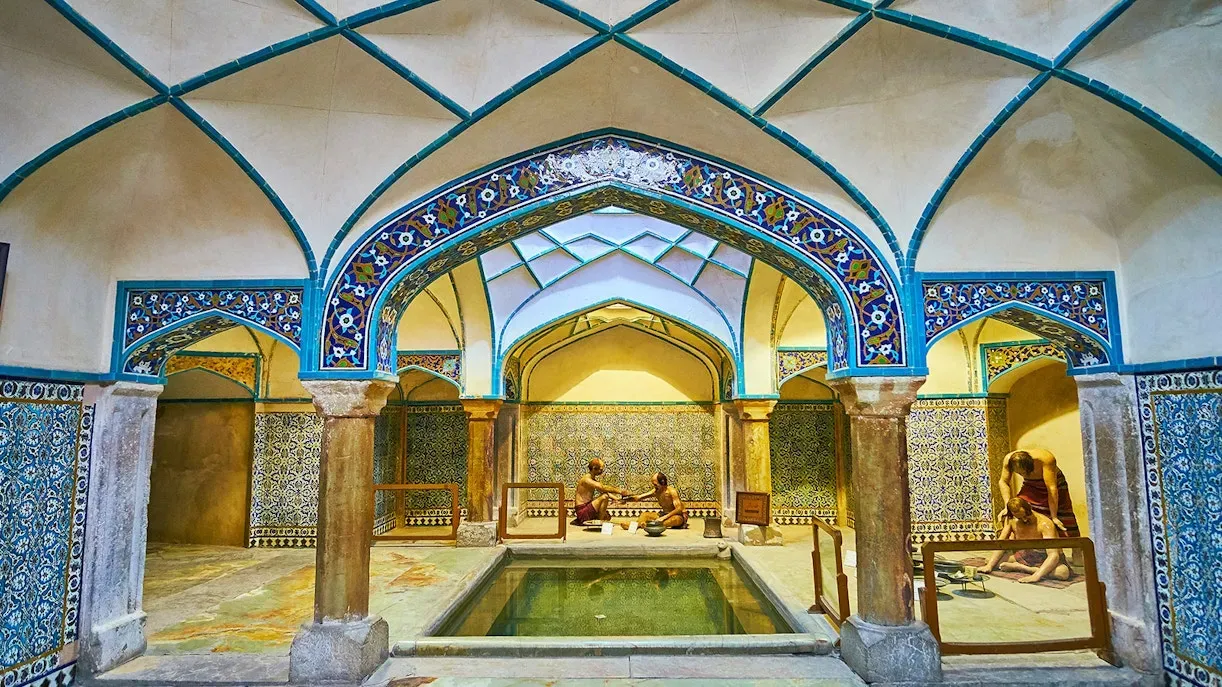
Turkish Hammam experiences invite travelers into a culture of hospitality, ritual, and slow, indulgent luxury, where steam-filled air meets marble corridors that echo centuries of Turkish bath history. Across continents and centuries, these baths have evolved from communal cleansing spaces to immersive wellness journeys that marry architecture, ceremony, and social connection. For travelers seeking slow travel, a hammam visit offers more than a wash; it is a social ritual, a moment of quiet reflection, and a doorway to a tradition that values care as much as cleanliness. This guide places the best hammams in Istanbul within a broader map of hammam around the world, highlighting how different cities adapt the core ritual while preserving its essential grace. Whether you are curious about hammam etiquette, Turkish bath history, or simply the sensory pleasure of foam and warmth, this introduction invites you to approach the experience with respect, curiosity, and mindful pace.
From the grand marble hot rooms of Istanbul to intimate spa suites in far-flung cities, the Turkish bath tradition unfolds as a flexible ritual that can be experienced in many formats—steam baths, bathhouses, and wellness sanctuaries—yet it retains a shared structure: a cleansing sequence, a sustained heat, a careful exfoliation with a kese, and a fragrant foam massage that dissolves tension. The architecture and décor—domed ceilings, ceramic tiles, and softly lit corners—invite a measured pace, turning each moment into a sensory meditation rather than a hurried routine. You might seek the ceremonial, centuries-old ambiance of historic baths, the privacy and pampering of modern hammams with private suites, or the social warmth of community-style bathhouses where locals linger after work. Etiquette remains a guidepost: communicate your preferences, protect modesty, and observe local norms while you participate in the shared ritual. Over centuries, Turkish bath experiences have been linked to hospitality, social bonding, and wellness, with Turkish bath history weaving together Roman, Byzantine, and Ottoman influences to create a lasting cultural practice. Modern discussions of health and relaxation underscore steam’s potential benefits for circulation, tone, and stress relief, though travelers should proceed with care if they have heart conditions or sensitive skin. When planning, prioritize venues with transparent pricing, clear etiquette guidance, and options that fit your goals—whether you want a quick cleanse, a full ceremony, or a private, unrushed experience.
Global Panorama of Turkish Bath Experiences
The concept of Turkish bath experiences extends beyond borders, as hammams around the world blend steam, ritual, and hospitality across cultures—from Morocco to the Balkans and the Caucasus. The core elements— cleansing, warmth, exfoliation, and massage—persist, while local materials, music, and social norms color the experience. This global panorama invites travelers to compare architecture, rituals, and atmosphere, learning how ancient Turkish bath history influenced contemporary wellness practices.
In each region, visitors encounter different pacing, privacy levels, and social dynamics. Historic baths in Turkey often emphasize ceremonial sequences and reverence for space, while modern spa hammams can offer private suites and aromatherapy. Regardless of setting, the aim remains the same: a restorative journey that honors tradition while accommodating personal comfort. The repetition of the ritual across continents underscores a shared cultural heritage—the human desire for cleansing, connection, and renewal.
Istanbul’s Iconic Hammams: Exploring the Best Hammams in Istanbul for Authentic Rituals
Istanbul stands as a living repository of Turkish bath history, where grand marble rooms and domed ceilings frame centuries of ritual practice. The best hammams in Istanbul—such as city-renowned historic baths—offer ceremonial exfoliation with kese, foam massages, and precise sequences performed by skilled attendants. Each venue presents a distinct blend of architecture and etiquette, inviting visitors to witness how sultanic tradition meets modern comfort.
For travelers seeking a deeply authentic encounter, these venues reward patience and curiosity: ceremonial timings, steady steam, and the tactile rhythm of an experienced masseur. Whether you choose a centuries-old bath or a contemporary spa with private suites, you’ll experience the same core ritual anchored in Turkish bath history. To maximize your visit, align expectations with the venue’s etiquette, and consider a longer session that allows for the full sequence.
Historic Rituals vs Modern Spa Hammams: A Descriptive Comparison
Historic baths emphasize ceremony, with a deliberate pace that guides you from wash to kese exfoliation to massage. The marble, heat, and quiet atmosphere cultivate a sense of reverence and social etiquette, making the experience feel like an immersion into tradition. If you crave authentic Turkish Hammam experiences steeped in lineage, these venues deliver a palpable connection to the past.
In contrast, modern spa hammams blend cleanliness and privacy with wellness amenities—private steam rooms, aromatherapy, and personalized service. This environment suits travelers who value comfort and discretion while still honoring the ritual’s essential steps. Regardless of setting, guests can expect a curated sequence, clear etiquette expectations, and an opportunity to reflect on how culture shapes wellness practices.
Hammam Etiquette and Practical Tips for a Respectful Visit
A respectful approach enhances any Turkish bath visit. Familiarize yourself with hammam etiquette, arrive prepared with towels or pestemals if needed, and communicate preferences about exfoliation pressure and massage intensity. In many places, attendants are part of the ritual; courteous interaction helps ensure a smooth, enjoyable experience for everyone.
Practical tips cover pacing, hydration, and attire. Steam rooms can be intense, so take breaks as needed and follow staff guidance on when to rest. If you’re traveling with companions, coordinate private or shared spaces in advance and observe modesty norms appropriate to the venue. By aligning with local practices and offering gratitude through tipping where appropriate, you’ll reinforce the respectful spirit of Turkish Hammam experiences.
Turkish Bath History and the Health Narrative: From Antiquity to Modern Wellness
Turkish bath history traces a lineage from Roman and Byzantine wellness rituals through Ottoman refinements, with the sacred act of cleansing evolving into a social and spiritual routine. Visitors often report physical relaxation and mental clarity after a steam session and reflexively reflect on the long arc of tradition that connects distant generations of bath-goers.
Modern science suggests steam and hydrotherapy offer benefits for circulation and skin health, aligning with the wellness ethos of Turkish Hammam experiences. While results vary by individual, the core idea remains: a deliberate, slow experience that blends health, culture, and architecture. Reflecting on history deepens immersion, turning a routine wash into a meaningful encounter with a timeless practice.
Frequently Asked Questions
What makes Turkish Hammam experiences unique compared to other spa rituals?
Turkish Hammam experiences Center on a ceremonial sequence—cleanse, heat and steam, kese exfoliation, and a foam massage—set in marble spaces with domed ceilings. They blend ritual, hospitality, and architectural beauty, inviting a slower pace and a choice between social immersion or private pampering. This combination, rooted in Turkish bath history and enriched by scents and attendants, differentiates them from typical Western spa visits.
Which are the best hammams in Istanbul for an authentic Turkish bath history experience?
The best hammams in Istanbul include historic pillars like Çemberlitaş Hamamı, Cağaloğlu Hamamı, and Kılıç Ali Pasha Hamam, each offering centuries of lineage, ceremonial routines, and striking architecture. For an authentic experience, choose a venue that matches your goal—traditional rituals in public spaces or private suites with modern comforts. Many also provide kese exfoliation and foam massage as part of the package.
What should I know about hammam etiquette before visiting a Turkish bath?
Hammam etiquette emphasizes modesty, respect, and following staff guidance. Arrive prepared with towels or pestemal; expect a sequence of washing, steam, exfoliation with a kese, foam massage, and a final rinse; communicate preferences for pressure or privacy; hydrate and pace yourself; tipping is customary in many places. Being mindful of local norms enhances the comfort of Turkish Hammam experiences for everyone.
How do hammams around the world differ from Istanbul’s traditions?
Hammams around the world vary in pace, crowd, and setting—some favor quiet, spa-like introspection while others are lively social spaces. While the core ritual of cleansing, steam, exfoliation, and massage remains, local tastes, climate, and culture shape atmosphere and services. Yet many places still echo Turkish bath history in technique and lineage, offering a global tapestry of hammam experiences.
What does a typical Turkish Hammam experience look like from arrival to finish?
A typical Turkish Hammam experience starts with changing and guidance to towels or robes, followed by an initial wash, steam and warmth, kese exfoliation with a trained attendant, a foam massage, finishing rinses, and a cooldown afterward. Throughout, Turkish Hammam experiences emphasize ritual, warmth, and renewal, often with options for private time or shared spaces depending on the venue.
| Topic | Key Points |
|---|---|
| What makes Turkish Hammam experiences unique | A ritual sequence of cleansing, steam, kese exfoliation, and foam massage; marble and domed ceilings create timeless ambiance; experiences can be intimate, social, or luxurious. |
| Global perspective: hammams around the world | Core ritual remains; local tastes shape style; Istanbul’s historic baths show lineage; others adapt to serenity or social traditions. |
| Istanbul: a nexus of Turkish Hammam experiences | Heart of culture; history meets modern wellness; choose venues to match goals; experiences range from quick cleanse to full ceremonial ritual. |
| Top experiences and how they differ | – Historic baths with ceremonial rituals; – Modern spa hammams with privacy; – Social hammams and community spaces. |
| Hammam etiquette and tips for a respectful visit | Arrive prepared; follow ritual sequence; hydrate; modesty; tipping norms; be mindful of local etiquette. |
| Turkish bath history and its health narratives | Roots in Roman/Byzantine wellness practices; Ottoman refinement; modern science notes on circulation and skin; caution for heart/skin conditions. |
| Choosing the right hammam: factors to consider | Location/logistics; atmosphere; services offered; price/value; reviews and etiquette guidelines. |
| What to expect during your visit: a sample ritual outline | Arrival and changing; initial wash; steam and warmth; exfoliation with kese; foam massage; finishing rinses; aftercare. |
| Travel tips for making the most of your Turkish Hammam experiences | Timing; language; weather considerations; respect for local customs; pacing visits; plan rest between experiences. |
Summary
Turkish Hammam experiences invite travelers to slow down and immerse themselves in a centuries-old ritual of cleansing, hospitality, and renewal. Across historic baths in Istanbul and modern spa hammams worldwide, these experiences blend architecture, ritual sequence, and social warmth into a doorway to a culture that values care and connection. Whether you seek ceremonial grandeur or intimate privacy, Turkish Hammam experiences offer relaxation, cultural insight, and mindful travel. The enduring appeal lies in the deliberate pace, the attentiveness of attendants, and the shared sense of community that transcends borders.