


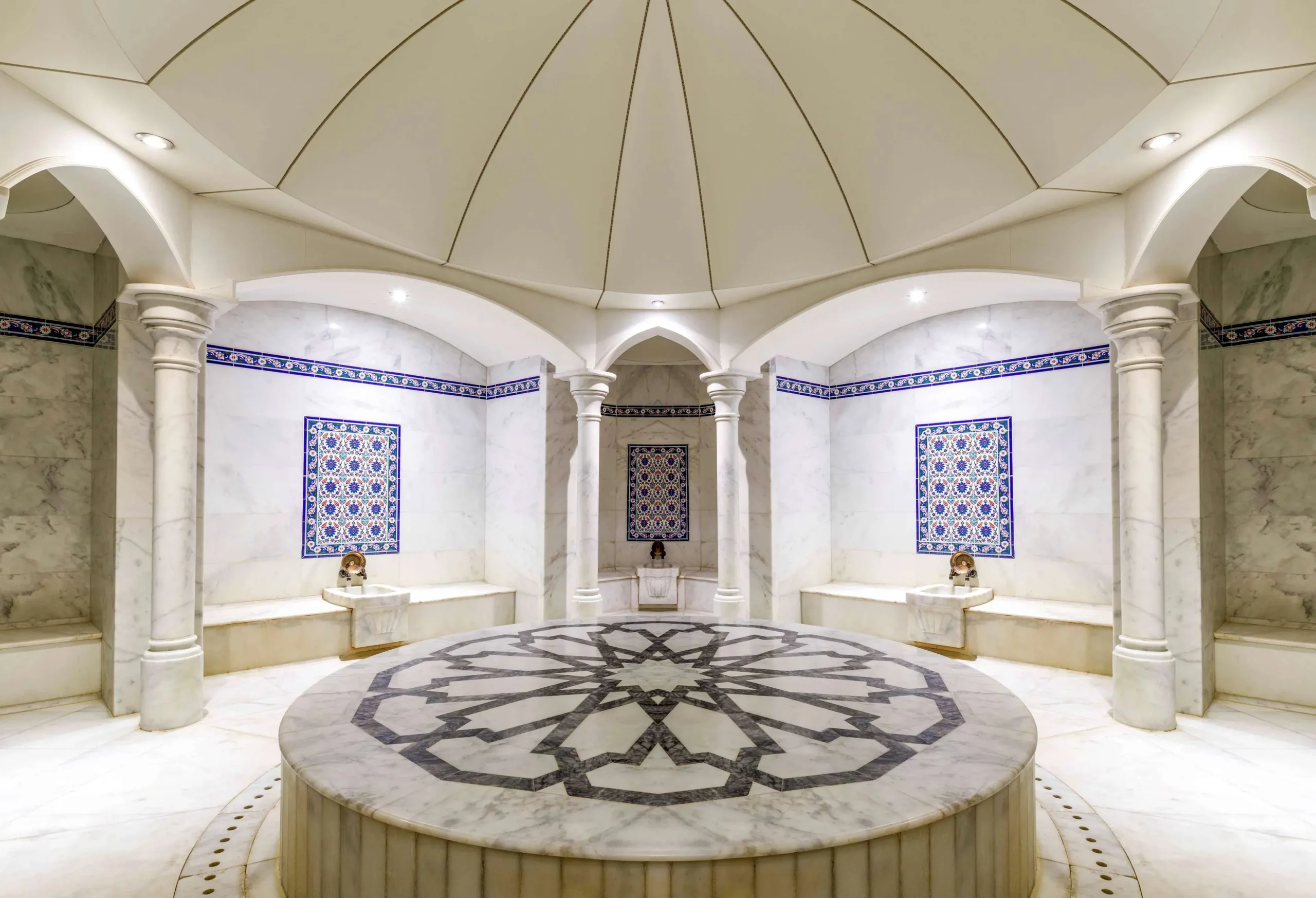
Turkish hammam is more than a bath; it is a cultural rite that has shaped social life, wellness, and daily routine across centuries, influencing family gatherings, social rituals, and the way communities celebrate cleanliness and hospitality. From marble-clad rooms to the soothing hum of cascading steam, it offers a sensory experience that feels intimate and timeless, with architects designing spaces to guide breath and pace, turning cleansing into a ritual of presence. A quick look at turkish bath history, hammam rituals, and turkish bath etiquette helps newcomers understand what to expect, while practical guidance on how to use a hammam sets you up for a respectful visit. The experience blends heat, moisture, and ritual, inviting you to slow down and listen to the subtle rhythms of traditional care, as attendants guide you through steps that honor centuries of craftsmanship. Whether you explore a grand bath in Istanbul or a neighborhood hammam, this introduction hints at the enduring appeal of this ancient practice and prepares you to appreciate its modern adaptations.
Seen through a broader lexicon, the Turkish bath can be understood as an Ottoman bath experience, a steam room tradition, and a spa ritual that blends architecture with wellness. In many places, bathhouses—often called hammam houses or public baths—function as social hubs where exfoliation, massage, and aromatic infusions echo the core routines while reflecting local character. Across eras, the emphasis on cleansing, circulation, and relaxation resonates with modern wellness culture, even as the layout shifts from grand domes to intimate private rooms. Using this LSI-inspired vocabulary helps readers connect the practice to related traditions such as steam therapies, ritual cleansing, and communal self-care, making the topic accessible to a global audience.
The History Behind the Turkish Hammam: From Roman Roots to Ottoman Grandeur
The turkish bath history traces its lineage to the Roman thermae, where heated spaces and communal cleansing first shaped public wellness. Over centuries, this concept migrated through Byzantine culture and blossomed under Ottoman patronage, evolving into a sophisticated social ritual that intertwined hygiene, hospitality, and community life.
Turkish hammam architecture further reinforced this evolution. Thick walls, domed ceilings, and layered heat created radiant humidity that guided visitors through a sequence of hot, warm, and cool rooms. This architectural choreography became a cultural hallmark, with grand Istanbul baths perched beside bustling streets and smaller neighborhood baths woven into daily life, each adding its own regional cadence to the turkish bath history.
Hammam Rituals: The Core Steps of Cleansing, Exfoliation, and Massage
Hammam rituals are a carefully staged journey designed to cleanse, exfoliate, refresh, and soothe. Attuned attendants may guide you through preparation with a pestemal wrap, while the steam loosens skin and muscles, setting the stage for deeper cleansing in the ensuing steps.
A signature moment in the ritual is kese, the rough exfoliating cloth that sloughs away dead skin and primes the body for soap, lather, and a gentle massage. The foam that follows—often olive oil-based soap worked into every contour—helps cleanse and renew the skin, while massage and hydration complete the restorative circuit of the hammam experience.
Benefits of Hammam: Skin, Circulation, Relaxation, and Wellness
The benefits of hammam are most evident in the skin and circulation. Exfoliation reveals brighter texture, while the heat and massage stimulate blood flow, supporting natural detoxification and a healthier glow.
Beyond the physical, hammam sessions cultivate relaxation and mental calm. The enveloping humidity, slow movements, and ritual pacing ease tension, soothe the nerves, and may boost sleep quality and mood. Regular visits can become a restorative routine that nurtures resilience and a sense of well-being.
Turkish Bath Etiquette: Respectful Practice in Historic and Modern Hammams
Turkish bath etiquette emphasizes modesty, privacy, and mindfulness. Guests are encouraged to follow staff guidance, use towels or pestemal appropriately, and observe local norms as a sign of respect for a long-standing cultural practice.
Practical etiquette also includes hydration, attentive communication, and sensitivity to others in shared spaces. Tipping traditions vary, so observing local customs and asking for guidance helps ensure a respectful, enjoyable experience for everyone in the hammam community.
How to Use a Hammam: Practical Tips for First-Timers and Regular Visitors
How to use a hammam starts with research: seek reputable establishments with clear hygiene standards, whether a historic public bath or a boutique spa. Dress code and what to bring—towels, flip-flops, water, and a kese mitt—are simple preparations that set the tone for a comfortable visit.
The ritual sequence typically moves from warmth to exfoliation, foaming, and massage, with breaks as needed for comfort. Aftercare—cooling down, hydration, and perhaps a light snack—helps you rejoin daily life with a refreshed perspective on this timeless practice.
Frequently Asked Questions
What is the turkish bath history and how has it shaped the modern hammam experience?
Turkish bath history traces origins from Roman thermae through Byzantine and Ottoman eras, evolving into a communal cleansing ritual with social significance. In today’s hammam experiences, architecture with domed ceilings and a progression from hot to warm to cool rooms reflects that heritage. This history helps explain why a visit blends cleansing, relaxation, and cultural etiquette within steam-filled spaces.
What are hammam rituals and what steps should I expect during a typical Turkish hammam visit?
Hammam rituals follow a traditional sequence: warm welcome with a pestemal, humid warm room, exfoliation with kese, foaming soap, massage, rinsing, and cooling, with optional aromatics or oils. An attendant may guide the process, especially for first-timers. The flow emphasizes cleansing, exfoliation, and relaxation, adapted to each hammam.
What are the benefits of hammam and how can a session support skin, circulation, and relaxation?
The benefits of hammam include improved skin texture from exfoliation, enhanced circulation from heat and massage, stress relief, and muscle relaxation. Additional advantages include hydration and a sense of social or cultural connection. Regular sessions can support better sleep, mood, and overall well-being.
What is Turkish bath etiquette to observe when visiting a traditional hammam?
Turkish bath etiquette centers on modesty and respect. Observe local norms, follow staff guidance, and use towels or pestemal appropriately. Ask before handling equipment, be mindful of tipping practices, stay hydrated, and communicate any skin sensitivities or medical concerns to staff.
How to use a hammam: a simple guide for first-time visitors?
How to use a hammam: research a reputable establishment, note dress code and what to bring (towel, pestemal, water, kese mitt). Expect a hot room but communicate your comfort level, follow the ritual flow (warmth, exfoliation, foam, massage), and allow time for cooling and aftercare. By pacing the experience with staff guidance, you can enjoy a respectful, restorative hammam session.
| Aspect | Summary (English) | Key Points/Notes |
|---|---|---|
| Introduction | The Turkish hammam is more than a bath; a cultural rite shaping social life, wellness, and daily routines across centuries. It offers a sensory experience—from marble-clad rooms to cascading steam—that feels intimate and timeless. | Overview of purpose and scope: history, rituals, benefits, etiquette, and practical tips for using a hammam. |
| History: From Roman Roots to Ottoman Granduer | Origins trace to Roman thermae, evolving through Byzantine and Ottoman eras; hammams became social hubs with a balance of privacy and ritual. Architecture features thick walls, domed ceilings, radiant humidity; progression through hot, warm, and cool rooms mirrors the body’s responses. Regional variations exist—from Istanbul’s grand baths to neighborhood baths. | Key points: Roman influence; Byzantine and Ottoman refinement; social hub; architecture; room progression; regional variations. |
| Rituals and Practice | Core sequence includes steps that cleanse, exfoliate, refresh, and soothe. Typical flow: warm welcome; humidity and cleansing; exfoliation with kese; foaming and soap rinse; massage; rinsing and cooling; optional aromatics. Modern hammams can offer full-service, private, or self-guided experiences; the ritual invites slowing down and connection with tradition. | Steps 1–7; adaptable formats; emphasis on cleansing, exfoliation, massage, and relaxation. |
| Benefits | Key advantages include improved skin texture, enhanced circulation, stress relief, muscle relief and flexibility, hydration and cleansing, and social/cultural connection. Regular visits can support sleep quality, mood, and immune resilience. | Skin health; circulation; relaxation; muscle comfort; hydration; social value; long-term wellness. |
| Etiquette, Preparation, and Safety | Guidelines: respect modesty, follow staff cues, ask before using kese or equipment, tipping practices vary, stay hydrated, and communicate concerns about sensitive skin or conditions. | Mindful etiquette; safety tips; hydration; staff guidance; tipping variations. |
| How to Use a Hammam | Practical steps: research a reputable hammam; bring towels and a change of clothes; hydration; prepare for heat; follow ritual sequence; aftercare with rest and hydration. | Steps 1–5; pace and guidance; comfort and safety. |
| Choosing a Hammam: Public Baths, Boutique Spas, and Beyond | Consider atmosphere, services, location, and price; evaluate historic baths versus modern wellness centers; Istanbul and other cities offer diverse options; check packages and accessibility. | Factors: atmosphere, services, location, price; public vs boutique; authenticity vs privacy. |
| Note on Turkish bath etiquette and tradition | In many places the hammam is culturally significant and requires reverence; guests should participate with mindfulness and appreciation for centuries of practice shaping each visit. | Cultural significance; mindful participation; reverence for tradition. |
Summary
Turkish hammam, tarihsel bir ritüel olarak sadece bedeni temizlemekle kalmaz, aynı zamanda toplumsal bağları güçlendiren zengin bir kültürel deneyimdir. Bu gelenek Roma hamamlarından Osmanlı mirasına uzanan köklü bir geçmişe sahiptir ve ılık buharla dolu odalarda beden ile zihin arasında bir uyum kurar. Hammam ritüelleri sayesinde temizliğin ötesinde rahatlama, dolaşımın desteklenmesi ve sosyal etkileşim gibi faydalar deneyimlenir. Günümüzde, tarihi hamamlardan modern spa odalarına uzanan çeşitlilikte sunulan Turkish hammam ziyaretçileri yavaşlamaya, nefes almaya ve bu mirasa saygı göstermeye davet eder. İstanbul’un tarihi hamamlarından yerel köy ve kent merkezlerindeki uygulamalara uzanan bu kültürel yolculuk, misafire saygı ve farkındalığın rehberliğinde bir deneyim sunar. Sonuç olarak Turkish hammam, yüzyılların birikimini günümüze taşıyan bir yaşam tarzı olarak kalır ve her ziyaret, kendini temizliğin ötesinde yenileme ve paylaşım anı olarak tekrarlar.