


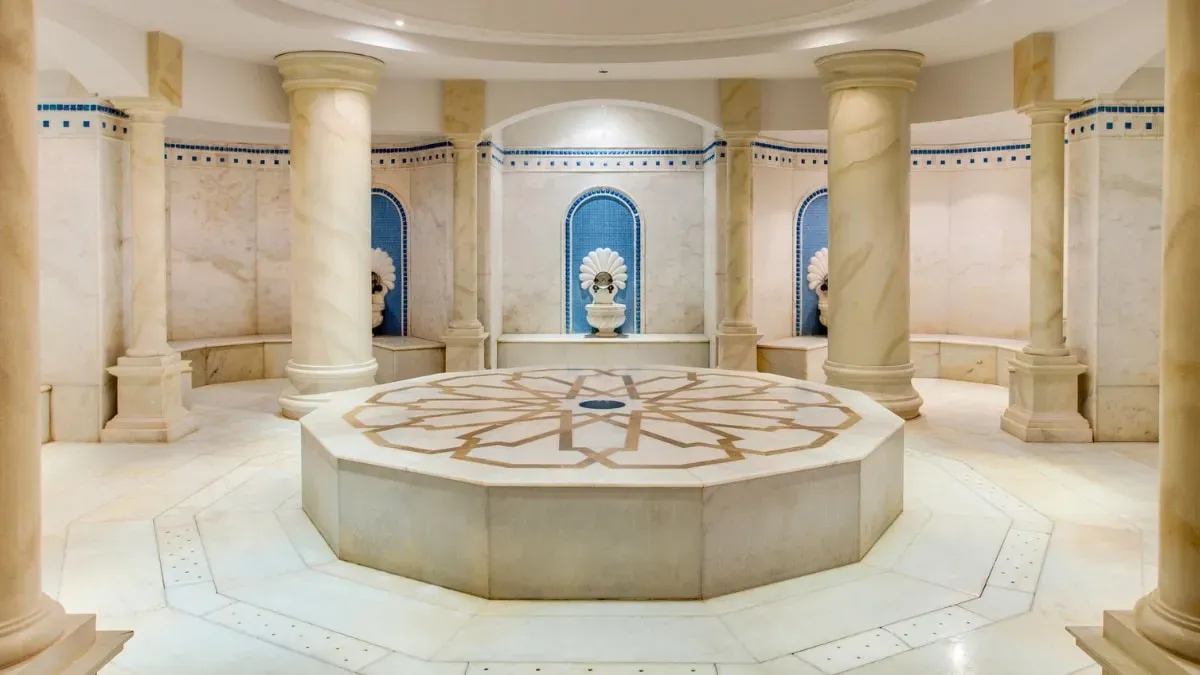
Turkish hammam vs steam room is a compelling comparison for spa-goers seeking heat, relaxation, and ritual, offering two distinct paths through different cultural traditions to achieve a restorative escape and a deeper appreciation for how space, sound, aroma, and ceremony shape mood, guiding you toward mindful breathing, while highlighting personal boundaries and hydration needs. The Turkish hammam follows centuries of ritual practice in a multi-chamber bathhouse where guests circulate through progressively warmer rooms, while the steam room provides a compact, enclosed environment common in modern wellness facilities, often highlighted by tiled benches, dim lighting, and a steady hiss of steam. By examining Turkish hammam rituals alongside adjacent ideas like steam room benefits, you can better understand hammam vs steam room differences in architecture, etiquette, heat delivery, social atmosphere, and post-treatment routines, which influence comfort, duration, perceived cleansing, hydration needs, and long-term satisfaction. Where the traditional bathhouse experience emphasizes social ritual, exfoliation, and massage within ornate marble spaces, steam rooms emphasize steady hydration, quiet reflection, and a uniform, humid heat that can feel enveloping from the first breath, with aromas of eucalyptus or essential oils often enhancing the mood, and with attendants guiding practical steps when available, clarifying the heat and humidity comparison for newcomers. For your wellness day, consider your skincare goals, tolerance for heat, preferred pacing, budget, and interest in cultural heritage when choosing between these two approaches to heat therapy, ensuring you select a setting that aligns with your expectations around privacy, ritual, and relaxation, while planning post-session hydration, light nourishment, and quiet rest to maximize value.
To frame the conversation in broader terms, you can think of these experiences as an Ottoman bathhouse journey versus a contemporary humid-heat enclosure often labeled as a steam room. In LSI terms, related concepts include spa rituals, hydrotherapy, exfoliation, and social bathing etiquette that carry similar health and relaxation promises across cultures. Alternative phrases such as steam bath, wet-heat chamber, or humid sauna reflect the same underlying idea, while hammam rituals and traditional bathhouse experience anchor the cultural dimension. Ultimately, the choice comes down to how you value ritual immersion, privacy, and how your body responds to heat and humidity in a given environment.
1) Turkish hammam rituals and the traditional bathhouse experience
A Turkish hammam offers more than cleansing; it invites you into a traditional bathhouse experience defined by architecture, ritual, and communal atmosphere. The journey typically unfolds through a sequence of warm to hot rooms, with marble surfaces, ornate domes, and spaces that diffuse light and moisture in a way that heightens the sensorial experience. This environment is designed to nurture relaxation, social connection, and a slow, ceremonial pace that differentiates it from a modern spa visit. The inclusion of steam, humidity, and ceremonial elements aligns with the core idea of Turkish hammam rituals as a holistic wellness practice.
Beyond the physical heat, the ritual emphasizes preparation, cleansing, exfoliation, and massage, often performed with a kese mitt and fragrant olive-oil soaps. The social and ceremonial aspects—shared steam, conversation, and the presence of attendants who guide the experience—contribute to a traditional bathhouse vibe that many find uniquely restorative. This multi-room progression supports gradual acclimation to heat, which can enhance relaxation and skin cleansing as part of a culturally rich spa day.
2) Steam room environment, humidity, and the benefits you can expect
A steam room presents a compact, modern space designed to envelop you in near-100% humidity and steady warmth. The air feels heavier and more moist due to the continuous steam generator, creating a cocoon-like atmosphere that supports skin hydration and respiratory comfort. Temperatures typically range from 40°C to 50°C (104°F to 122°F), but the humid air can make the heat feel more intense, encouraging slow, measured breathing and deep relaxation.
In this environment, the primary focus is on steady heat and moisture rather than ritualized cleansing. Steam rooms are often quieter, offering a private or small-group setting that emphasizes personal reflection and straightforward relaxation. Benefits commonly cited include improved skin hydration, eased muscle tension, and a soothing effect on the respiratory passages, especially when paired with gentle aromatics or herbal infusions.
3) Turkish hammam vs steam room: hammam vs steam room differences, rituals, and social dynamics
When comparing Turkish hammam rituals to a steam room experience, the differences extend beyond heat and humidity to architecture, social norms, and purpose. Hammams emphasize ceremonial cleansing, exfoliation, and a communal, spa-like social fabric, often with attendants guiding you through a multi-stage journey. In contrast, a steam room is typically a private or small-group setting that prioritizes a simple, solitary relaxation through constant, enveloping heat. This distinction shapes how guests engage with the space and with others around them.
The ritual cadence diverges as well: hammams use a sequence of rooms with varying warmth, ritualized bathing steps, and massage (including the kese and soap routine), whereas steam rooms offer a single, consistent climate with less ceremonial structure. Etiquette reflects these differences: hammam visitors may participate in shared cleansing rituals and tipping for attendants, while steam room users often follow facility guidelines for showers and hydration. For those seeking a traditional bathhouse experience that blends culture, ritual, and social warmth, the hammam provides a different sensory and communal journey compared with the more private, modern steam room.
4) Heat, humidity, and physiological responses: how each experience affects the body and skin
The body responds to heat and humidity in ways that reflect the distinct environments of hammams and steam rooms. Hammam heat, delivered through a sequence of rooms with moisture-rich air, promotes a gradual increase in core temperature and muscle relaxation while preserving a sense of breathability. The presence of water, marble, and steam contributes to a hydrotherapeutic feel that can open pores and enhance cleansing, supporting a form of heat-assisted detoxification and improved circulation.
Steam rooms deliver dense humidity that accelerates sweating and creates a saturated environment around the skin and airways. This can feel more enveloping and may assist with skin hydration and respiratory comfort, though it can also challenge those with certain conditions. Session duration, hydration, and listening to your body are crucial in both settings to prevent overheating, with safety considerations guiding who should consult a clinician before exposure to extreme heat.
5) Practical guidance for choosing the right experience and maximizing your session
Choosing between a hammam or a steam room hinges on your goals: cultural immersion and ritual cleansing versus a straightforward heat-and-hydration session. Consider whether you want the traditional bathhouse experience and exfoliation or a quicker, private, humidity-rich relaxation. Hybrid options exist in many facilities, where you can sample a hammam ritual alongside a steam room experience to compare the benefits side by side.
To optimize your day, check the facility’s offerings for authentic hammam rituals, attendants, and massage services, as well as the quality of steam room maintenance and cleanliness. Plan for hydration before and after, be mindful of duration, and adhere to safety guidelines—especially if you have respiratory concerns, skin sensitivities, or are pregnant. By aligning your choice with your wellness goals and comfort with heat and humidity, you can enjoy a fulfilling, safe spa day that resonates with either tradition or modern convenience.
Frequently Asked Questions
What are the key differences between Turkish hammam rituals and a steam room in the Turkish hammam vs steam room comparison?
Turkish hammam rituals center on a multi-room, ceremonial bathhouse experience with cleansing, exfoliation (kese), and massages, while a steam room delivers a single enclosed space with continuous humid heat. The hammam combines social ritual and ornate architecture, offering a traditional bathhouse experience; the steam room provides a more private, straightforward heat and humidity environment. In the hammam vs steam room differences, expect ritual steps and attendants in the hammam, versus a simpler, quiet session in the steam room.
In the heat and humidity comparison of Turkish hammam rituals vs steam room, how do the sensations and typical durations differ?
The hammam provides varied humidity across rooms, with hot hararet areas and soothing steam that feels less uniform, while a steam room maintains near-100% humidity in a single chamber for dense, enveloping heat. Hammams typically involve longer sessions due to multiple rooms and rituals; steam rooms are usually shorter to prevent overheating. Always hydrate and listen to your body, especially if you have respiratory or cardiovascular concerns.
Which experience offers a more traditional bathhouse experience: Turkish hammam rituals or a steam room?
For a traditional bathhouse experience, Turkish hammam rituals are the richer choice, offering cleansing, exfoliation, and communal ambiance; steam rooms are more modern and private, focusing on steady heat and hydration.
What are the main hammam vs steam room differences in terms of rituals, etiquette, and attendant services?
Rituals and etiquette differ: hammams follow a choreographed sequence, with attendants, kese exfoliation, and social interaction; steam rooms emphasize privacy and quiet reflection with minimal ritual. Hygiene practices differ: hammams include pre-wash, lathering, and rinsing; steam rooms expect you to shower before and after but with fewer ceremonial steps. These factors shape the overall experience and comfort level in each option.
What are the steam room benefits, and how do they compare to Turkish hammam rituals for skin, relaxation, and respiratory comfort?
Steam room benefits include skin hydration, relaxation, and potential respiratory comfort due to the moist air. Turkish hammam rituals additionally offer exfoliation and massage that enhance circulation and skin renewal, making the experience more comprehensive and ritual-driven. If you have respiratory concerns, consult a clinician and stay hydrated; both experiences require mindful time limits to avoid overheating.
| Aspect | Turkish Hammam | Steam Room |
|---|---|---|
| Origin & Concept | Turkish hammam: traditional cleansing ritual rooted in Ottoman and Middle Eastern spa culture; multi‑chamber bathhouse with escalating warmth. | Steam room: modern enclosed space designed to create a humid, warm environment via a steam generator; typically a single room or modular suites. |
| Environment & Architecture | Opulent, communal spaces with marble slabs, domes and ceremonial atmosphere. | Compact, modern spaces focused on a single continuous environment. |
| Temperature & Humidity | Multiple rooms with varying warmth; humidity is high but air is not sealed; hararet and warm moisture. | Near 100% humidity with dense steam; steady heat usually around 40–50 C. |
| Rituals & Social Aspects | Cleansing, exfoliation (kese), massage, and a social, shared experience; attendants often participate; etiquette varies by facility. | Typically private or small-group; focus on personal relaxation with minimal ritual. |
| Hygiene & Preparation | Explicit cleansing steps, rinsing, exfoliation, and soap application as part of the ritual. | Pre/post showers common; emphasis on comfort and hygiene but less ritualized. |
| Health Benefits & Cautions | Skin cleansing, circulation, relaxation; potential lymphatic sense and social well-being. | Skin hydration, potential respiratory comfort; caution for asthma or breath sensitivities; hydrate. |
| Who Should Consider | Culturally immersive, ritual-focused, sociable experience with exfoliation and massages. | Straightforward, private heat with quick relaxation and hydration. |
| Practical Tips for Choosing | Define goal (ritual immersion vs quick hydrating heat); check authentic Hammam experiences. | Define goal (private, simple heat); look for clean facilities and proximity to modern amenities. |
Summary
Turkish hammam vs steam room karşılaştırması, sıcaklık, nem ve ritüeller açısından iki farklı deneyimi özetler. Turkish hammam, Osmanlı ve Orta Doğu spa kültürüne dayanan çok odalı, ritüel odaklı bir temizlenme deneyimidir ve kese, sabun, masaj gibi adımları içerir; topluluk odaklı bir atmosfere sahiptir. Steam room ise modern, kapalı ve tek odalı bir alanda sürekli buharla yoğun nem sağlayan, daha sade ve hızlı bir deneyim sunar. Her iki deneyim de cilt sağlığı, dolaşım ve rahatlama sağlayabilir; ancak hammam sosyallik ve ritüel eşliğinde derinleşirken, buhar odası daha kişisel ve pratik bir ısı sunar. Sağlık güvenliği ve uygun hidrasyon her iki ortam için de önemlidir; hedeflerinize ve konfor seviyenize göre seçim yapmak, wellness gününüzden en iyi verimi almanıza yardımcı olur.